 ThinkScope
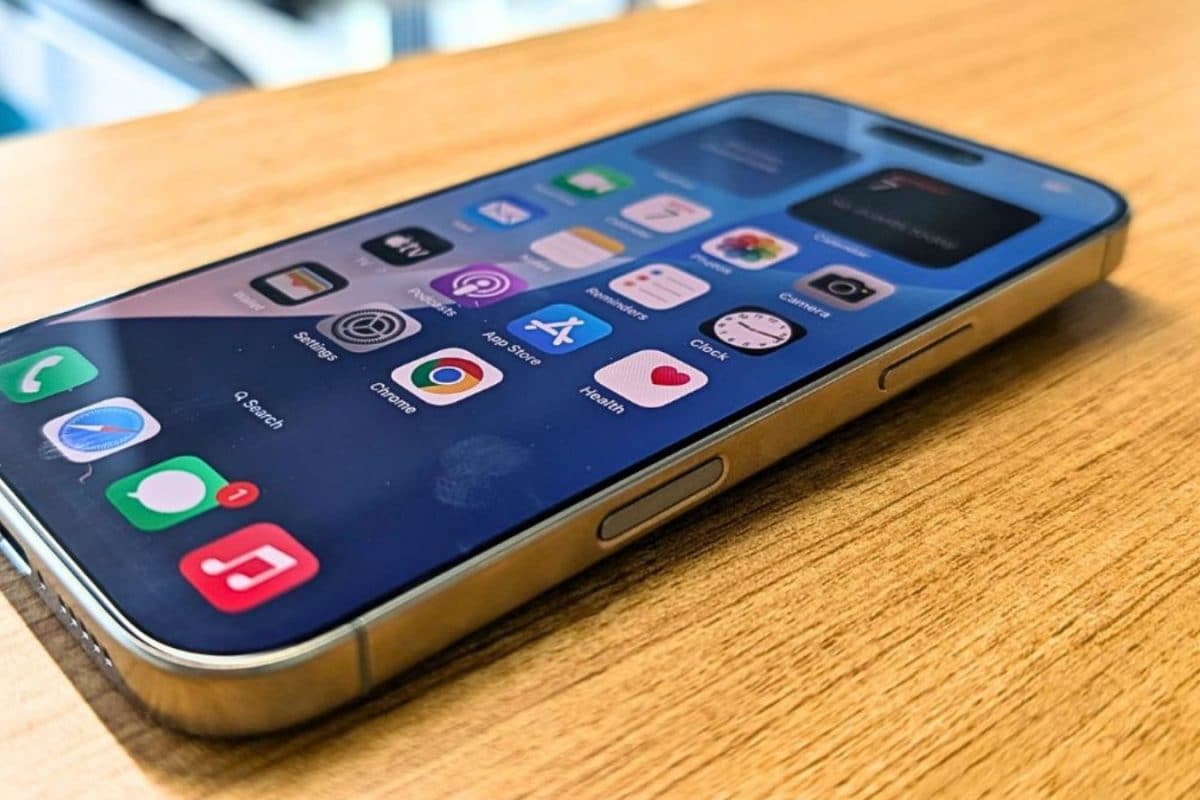
Apple has taken a bold step forward, rolling out iOS 26.2 for its iPhone users, while simultaneously restricting access to the older iOS 18.7.3 version. This move, although expected with the tech giant's pursuit of constant innovation, has left certain users in a bind, particularly those with older devices like the iPhone 11.
For users of devices that are no longer compatible with the new updates, the sudden block can feel like being left behind. The update to iOS 26.2 promises enhanced features and improved security measures, but not all devices are equipped to handle the latest software demands. This means that users with older models, especially those who have grown accustomed to their trusty iPhones, might need to consider an upgrade or miss out on the latest advancements.
Apple's strategy often focuses on pushing boundaries and optimizing user experiences through its software updates. However, this can sometimes come at the expense of those who are comfortable with their current devices. The decision to block iOS 18.7.3 might be part of Apple's larger plan to ensure a more streamlined and efficient experience for users with newer models.
In the fast-paced world of technology, staying current is crucial. Yet, for many, the question remains: when is the right time to upgrade? As Apple continues to innovate, users must weigh the benefits of new features against the reliability of their existing devices. Ultimately, the choice between sticking with an older model or embracing a new one is personal, influenced by factors such as budget, functionality, and the desire for the latest tech.