 ThinkScope
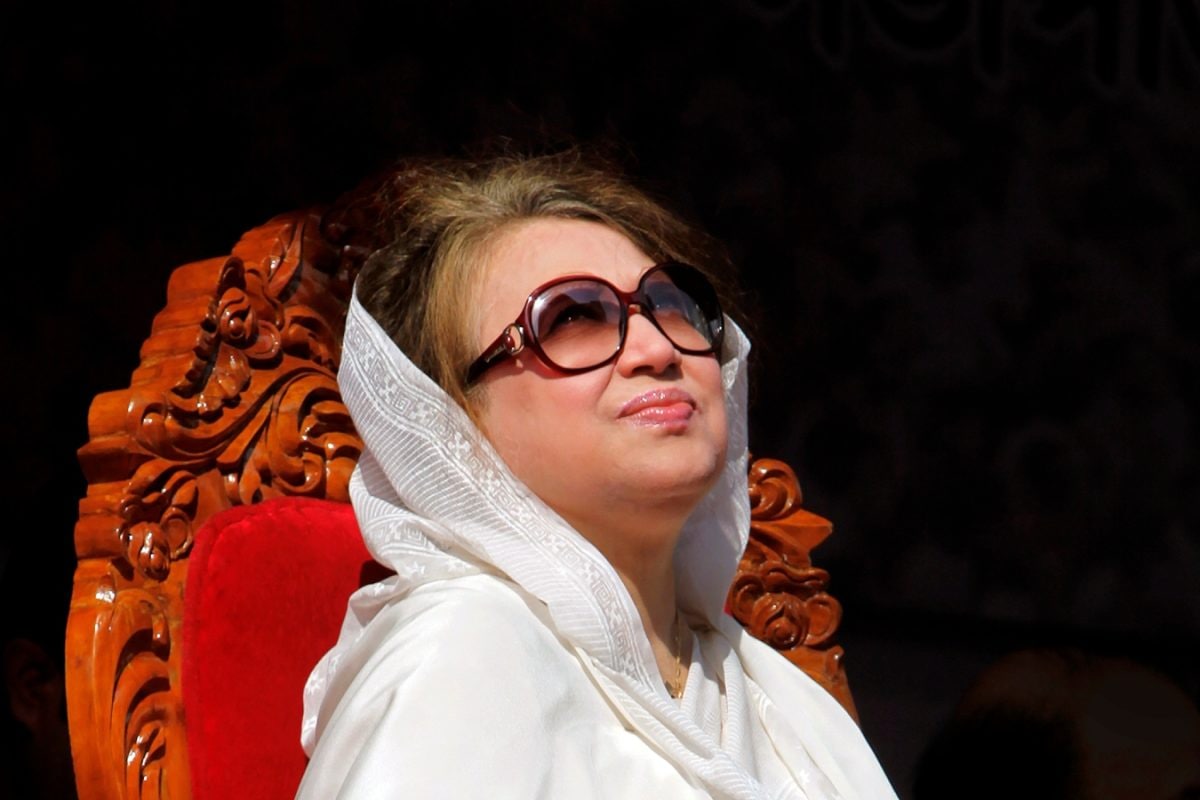
In a heated display of discontent, the Bangladesh Nationalist Party (BNP) has openly condemned the government for the deteriorating health of their leader, Khaleda Zia. The BNP argues that Zia's time in jail had severe health repercussions, compounded by a lack of sufficient medical attention.
Supporters of the BNP are pointing fingers at the current administration, held by Sheikh Hasina, accusing it of deliberately obstructing Zia’s access to essential healthcare services. The party emphasizes that the refusal to allow her to seek specialized treatment abroad has left her health in a precarious state.
With emotions running high, the BNP's claims have ignited a broader debate on the responsibility of the state in ensuring the welfare of all its citizens, especially those who have served in a leadership capacity. The situation calls into question the balance between political disagreements and human rights.
This unfolding drama has not only heightened political tensions but also shone a light on the healthcare challenges faced by prominent figures in the political landscape. As the nation watches closely, the implications of this dispute may reverberate through the political corridors of Bangladesh for some time to come.