 ThinkScope
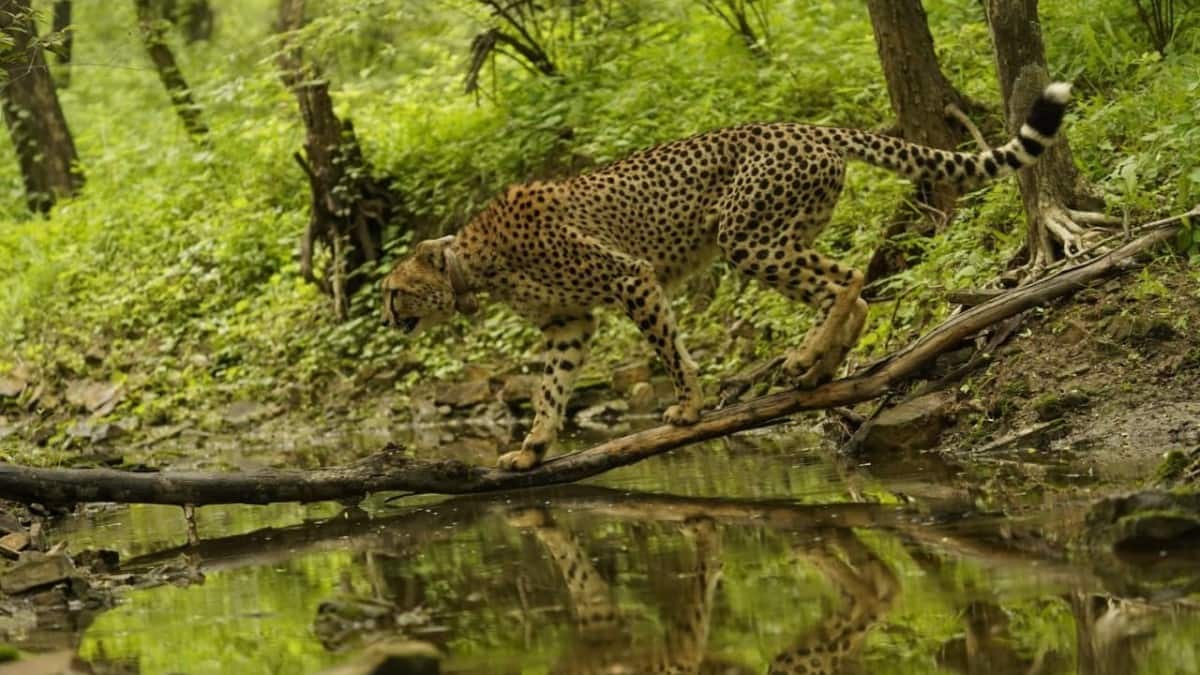
The launch of Project Cheetah in 2022 marked a significant turning point in India's conservation history, as the country embarked on an ambitious journey to reintroduce the cheetah, the world's fastest land animal, which had been extinct in India since 1952. This groundbreaking initiative not only aims to restore the cheetah population but also underscores the country's commitment to preserving its rich biodiversity. With the help of international partners, India has taken a giant leap towards making its wilderness more vibrant and diverse.
The context of this project is deeply intertwined with India's history and its relationship with wildlife conservation. Over the years, the country has witnessed a decline in its wildlife populations due to habitat loss, poaching, and human-wildlife conflict. The extinction of the cheetah in India was a stark reminder of the failures of conservation efforts. However, with the launch of Project Cheetah, India has signaled a new era of proactive conservation strategies, leveraging scientific research and international collaboration to protect its natural heritage.
Key to the project's success has been the translocation of cheetahs from Africa, a process that involves meticulous planning, precise execution, and a deep understanding of the ecosystem. The cheetahs are being introduced into carefully selected habitats that mimic their natural environments, ensuring the best possible chance for their survival and adaptation. As of now, several cheetahs have been successfully relocated, and their progress is being closely monitored by a team of experts.
One of the most significant aspects of Project Cheetah is its potential to boost ecotourism in India, providing local communities with economic incentives to support conservation efforts. By creating wildlife sanctuaries and promoting responsible tourism, the project aims to not only protect the cheetah but also enhance the livelihoods of people living in and around these areas. This approach recognizes the intricate link between human well-being and the health of ecosystems, suggesting a future where conservation and development are mutually supportive.
Expert insights suggest that the success of Project Cheetah could have far-reaching implications for global conservation strategies. The project's focus on translocation as a method for repopulating extinct species could inspire similar initiatives worldwide. Moreover, the collaboration between India and international partners demonstrates the power of global cooperation in addressing wildlife conservation challenges. According to conservationists, the reintroduction of cheetahs could also have a positive impact on the ecosystem, as apex predators play a crucial role in maintaining the balance of nature.
The project also highlights the importance of community engagement in conservation efforts. Local communities are being involved in the monitoring and protection of the cheetahs, which not only helps in the project's success but also fosters a sense of ownership and responsibility among the people. This approach is crucial for the long-term survival of the species, as it ensures that the cheetahs are not just seen as a conservation project but as an integral part of the community's heritage.
As the world observes International Cheetah Day, the achievements of Project Cheetah serve as a powerful reminder of what can be accomplished through determination, science, and collaboration. The project's impact extends beyond the conservation of a single species, symbolizing a broader commitment to preserving the natural world for future generations. With its unique blend of science, community engagement, and international cooperation, Project Cheetah stands as a model for innovative conservation practices that could inspire similar initiatives around the globe.
In conclusion, the reintroduction of cheetahs in India marks a new chapter in the country's conservation history, one that is filled with hope and promise. As the project continues to evolve, it will be interesting to see how it addresses the challenges that lie ahead, including the protection of the cheetahs from poaching and human-wildlife conflict. Nonetheless, the journey so far has been remarkable, and it stands as a testament to what can be achieved when nations come together to protect their shared natural heritage.