 ThinkScope
The recent ambush in Chhattisgarh's Bijapur district has sent shockwaves throughout the country, highlighting the ongoing struggle between security forces and Maoist insurgents. The encounter, which resulted in the deaths of 12 Maoists and three personnel of the District Reserve Guard (DRG), is a stark reminder of the risks and challenges faced by those serving on the front lines of this conflict. Left-wing extremism remains a significant threat to national security, with Maoist rebels continuing to wage a guerrilla war against the government and its institutions.
To understand the context of this encounter, it is essential to consider the historical and social dynamics at play in the region. Chhattisgarh's Bijapur district has long been a stronghold of Maoist activity, with the rebels drawing support from local communities who feel disenfranchised and marginalized by the government. The District Reserve Guard has been at the forefront of efforts to combat this insurgency, working to build trust and cooperation with local residents while also conducting operations against Maoist rebels.
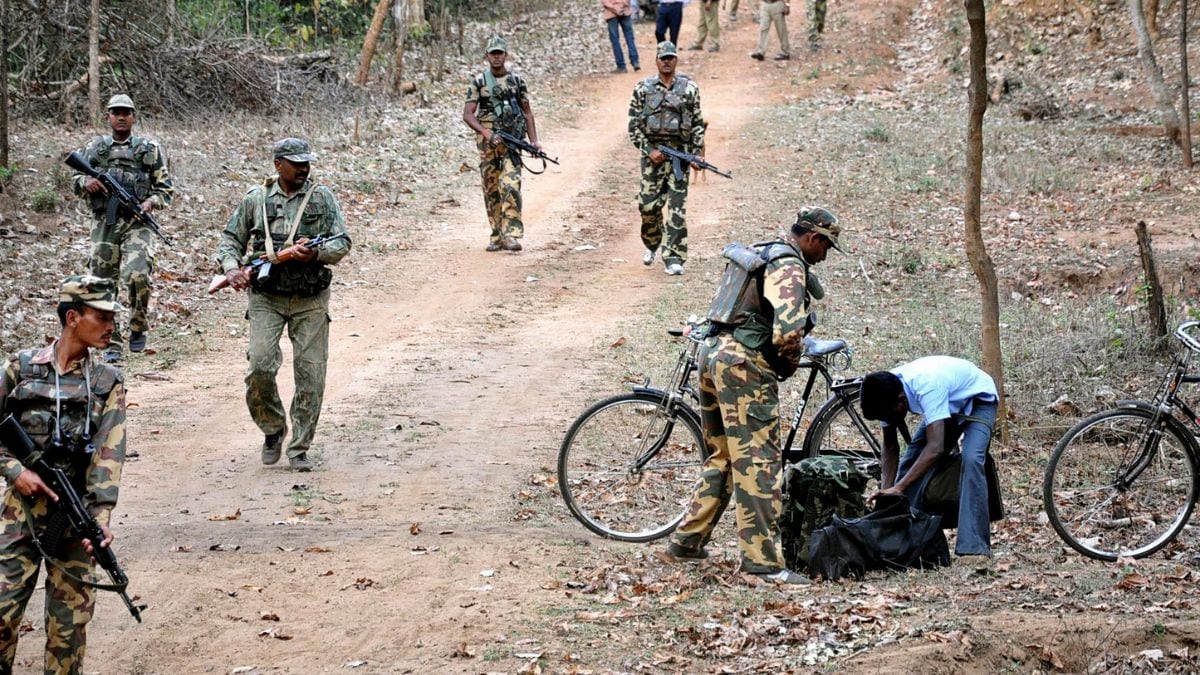
According to reports, the encounter began when a team of DRG personnel launched an operation in a remote area of the district, seeking to disrupt Maoist activity and gather intelligence on rebel movements. The security forces were met with heavy resistance, and a fierce gunfight ensued. While the exact circumstances of the encounter are still being investigated, it is clear that the Maoist rebels were well-armed and well-prepared, using guerrilla tactics to attack the security forces from multiple angles.
The loss of three DRG personnel in the encounter is a significant blow to the security forces, highlighting the risks and sacrifices made by those serving in this conflict. The deaths of 12 Maoists, on the other hand, represent a significant setback for the rebel movement, which has been seeking to expand its influence and control in the region. As the situation continues to unfold, it is likely that the government will face increased pressure to address the root causes of left-wing extremism, including poverty, inequality, and social injustice.
From an analytical perspective, the encounter in Chhattisgarh's Bijapur district highlights the complexities and challenges of combating Maoist insurgency. The rebels are able to draw support from local communities, who may view the government as distant and unresponsive to their needs. At the same time, the security forces face significant risks and challenges in their efforts to disrupt Maoist activity, including the threat of ambushes and booby traps. To address these challenges, the government will need to develop a more nuanced and multifaceted approach to counter-insurgency, one that combines military operations with social and economic development initiatives.
The implications of this encounter are far-reaching, with potential consequences for regional stability and the ongoing fight against left-wing extremism. The government will need to carefully consider its response to the encounter, seeking to balance the need for security with the need to address the root causes of the conflict. This may involve increased investment in social and economic development initiatives, as well as efforts to build trust and cooperation with local communities. By taking a more holistic and sustainable approach to counter-insurgency, the government may be able to reduce the appeal of Maoist ideology and create a more stable and secure environment for all citizens.
In related developments, the encounter in Chhattisgarh's Bijapur district has sparked renewed debate about the government's approach to left-wing extremism. Some have argued that the government should take a more aggressive and militarized approach to combating the insurgency, while others have advocated for a more nuanced and development-focused strategy. As the situation continues to unfold, it is likely that these debates will continue, with significant implications for the future of counter-insurgency efforts in the region.
In conclusion, the encounter in Chhattisgarh's Bijapur district marks a significant escalation in the conflict between security forces and Maoist rebels. As the government seeks to respond to this challenge, it will be essential to develop a more comprehensive and sustainable approach to counter-insurgency, one that balances the need for security with the need to address the root causes of left-wing extremism. By taking a more holistic and nuanced approach, the government may be able to reduce the appeal of Maoist ideology and create a more stable and secure environment for all citizens.