 ThinkScope
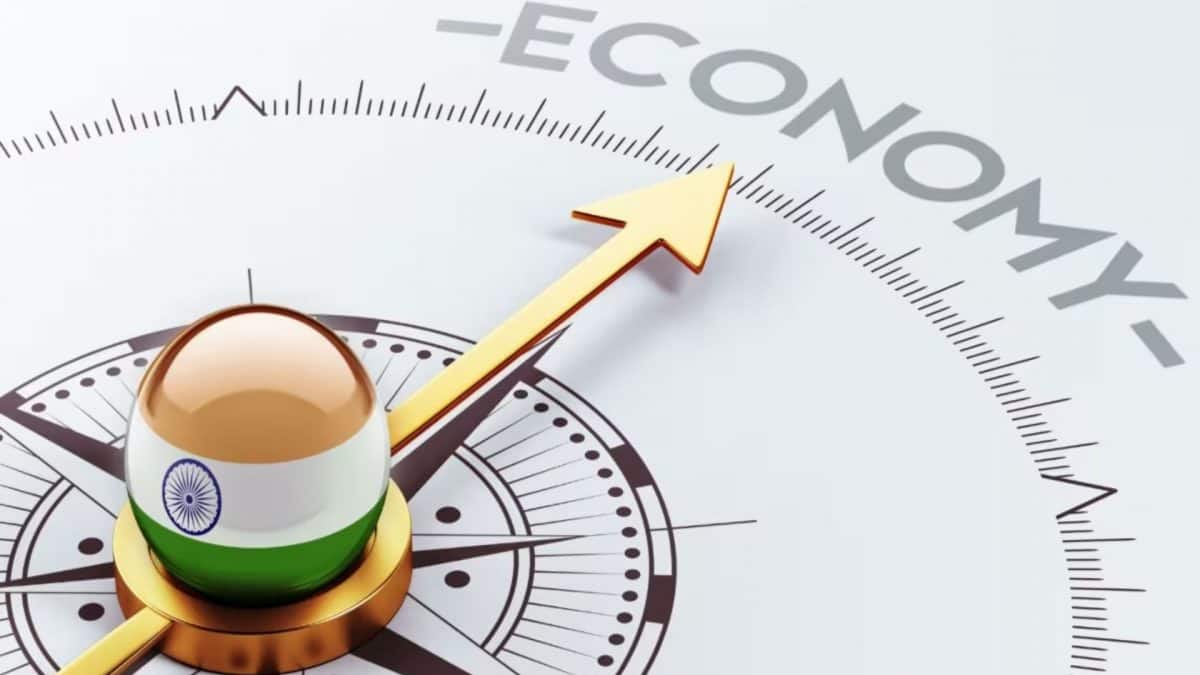
In an unprecedented economic ascent, India has officially claimed the title of the world's fourth-largest economy, surpassing Japan. This leap reflects not only robust domestic demand but also a strategic shift towards innovation and sustainability. With a gross domestic product of $4.18 trillion, India isn't just stopping here—it has its sights set on Germany, aiming for the third spot by 2028.
China, recognizing India's remarkable economic strides, extended congratulations and acknowledged the true strength of India's growth trajectory. Such a commendation from a major global player emphasizes the significance of India's strategic economic planning and execution. The surge is attributed to a diverse economy that has adapted to global trends, enhancing its competitiveness.
India's growth story is propelled by sectors like technology, manufacturing, and services, which have shown resilience and adaptability. This dynamic amalgamation of traditional and modern industries positions India as not just a growing economy, but a future powerhouse. The country's focus on digital transformation, alongside its initiatives to boost entrepreneurship, plays a pivotal role in sustaining this upward trajectory.
As India continues to climb the economic ladder, it faces challenges such as infrastructure needs and job creation. However, the optimism remains high. With strategic partnerships and reforms, India is nurturing an environment conducive to long-term growth. As it looks to surpass Germany in the coming years, the world watches closely, intrigued by the unfolding story of a nation on the rise.