 ThinkScope
Opening Hook
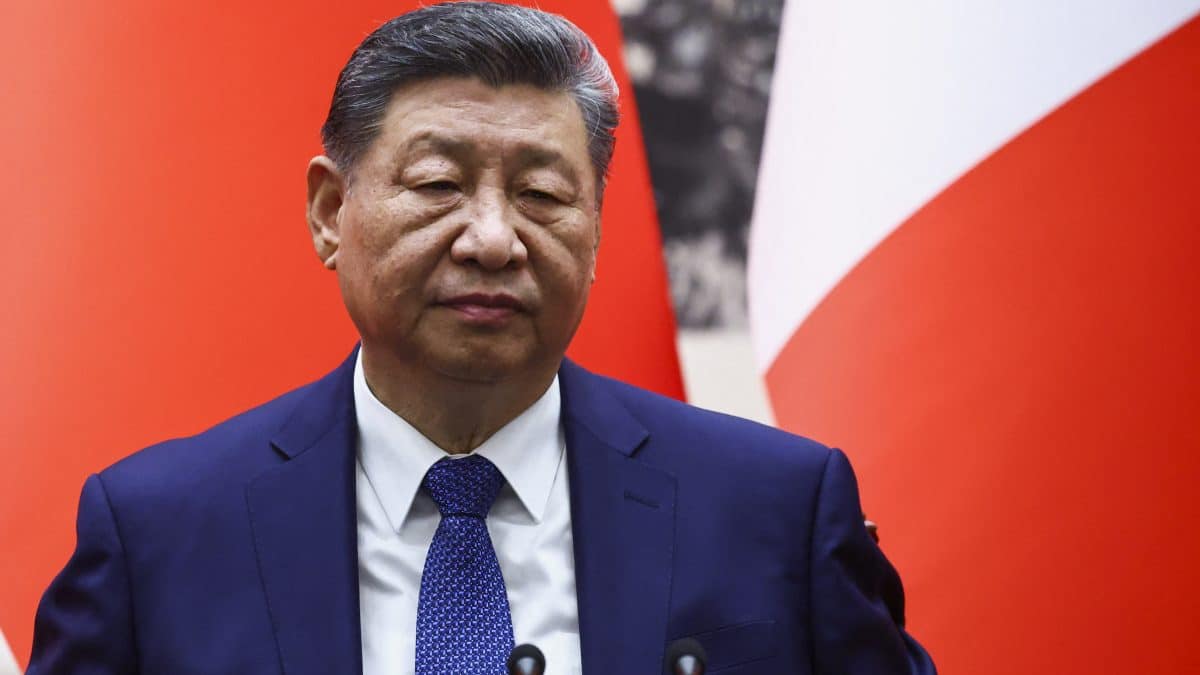
Despite an economic landscape fraught with challenges, President Xi Jinping remains confident that China will meet its 2025 growth targets. In a year he described as 'very unusual,' Xi assures that key objectives are steadfast and stability has been maintained across the nation.
Context & Background
The echoes of international trade tensions and internal economic strains reverberate through China's bustling cities and rural landscapes. The property sector, once a robust pillar of growth, now creaks under the weight of unsustainable debt and regulatory crackdowns. Meanwhile, consumer spending, a driver of economic vitality, has been sluggish, reflecting apprehensions about the future.
In a recent speech, Xi highlighted these challenges while underscoring China's resilience. "This year has tested our resolve," he declared, citing the dual pressures of the pandemic's lingering effects and geopolitical frictions. Yet, the nation's historical ability to navigate turbulent waters provides a beacon of hope.
Main Story/Details
Xi's narrative of stability is not without its merits. The government has deployed a mix of fiscal and monetary measures aimed at supporting critical sectors and boosting consumer confidence. Infrastructure projects have been accelerated, injecting vigor into local economies and providing employment opportunities.
Amidst these efforts, the Belt and Road Initiative continues to forge ahead, creating international partnerships that both bolster trade and enhance China's global influence. In cities like Shenzhen, innovation hubs buzz with activity, showcasing advances in technology and sustainable practices that promise to shape the future economy.
However, the path is not without hurdles. The property sector's instability poses a significant risk, with potential ripple effects on financial systems globally. Handling this requires delicate balance, as aggressive interventions could destabilize an already fragile system.
Expert Insights/Analysis
According to Dr. Liu Mei, an economist at Beijing University, "China's growth model is transitioning from one reliant on export-led growth to one that emphasizes domestic consumption and innovation. This pivot, while necessary, is fraught with short-term challenges."
Experts argue that China's ability to manage its property crisis while fostering innovation will be key to realizing its 2025 growth ambitions. The government's strategic initiatives, including tax incentives for tech firms and subsidies for green projects, are steps in the right direction.
Future Implications/What's Next
Looking ahead, China's economic roadmap is both ambitious and complex. The nation's success in achieving its growth targets hinges on its capacity to reform sectors such as real estate, while simultaneously encouraging technological advancement and maintaining social stability.
Global observers are keenly watching China's next moves, as the impacts of its policies ripple across international markets. A stable China could mean a more balanced global economy, while missteps might exacerbate existing tensions.
Conclusion
As China strides towards its 2025 goals, the world watches with bated breath. President Xi's vision of a resilient, innovation-driven economy remains within reach, but navigating the path requires dexterity and a steadfast commitment to reform.