 ThinkScope
Winter Chill Closes Schools Across Northern India
The biting cold wave sweeping through northern India has forced an unprecedented shutdown of schools in Uttar Pradesh, Bihar, and Jharkhand. As temperatures plummet, parents and educators are left grappling with disrupted routines and the challenge of maintaining educational continuity.
Freeze in the Heartland: A Community's Response
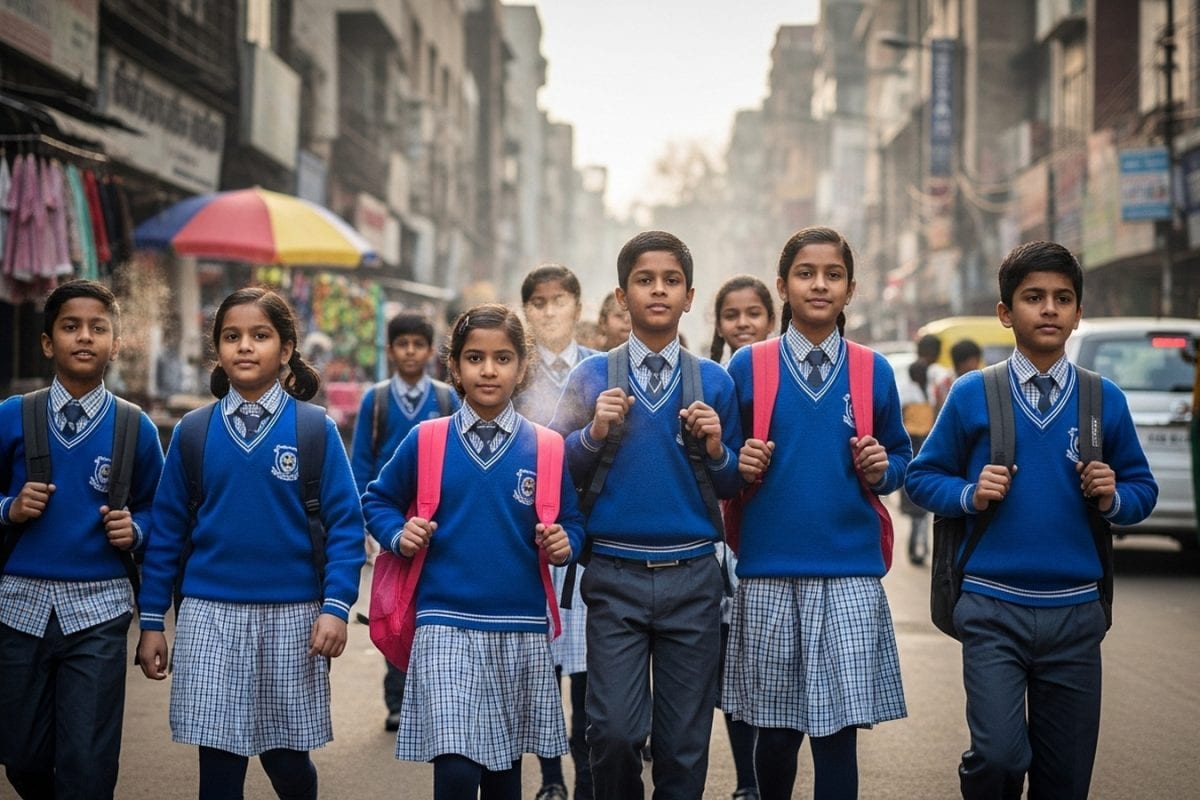
The streets of Lucknow, Patna, and Ranchi paint a picture of frosty mornings and empty schoolyards. In the early hours, when children would typically be seen bundled up on their way to school, there's an uncanny silence. Schools have turned into quiet fortresses, their gates firmly shut to safeguard students from the harsh weather.
This decision, although sudden, is a calculated response to the severe dip in temperature, often plunging below 5°C in many regions. Local administrations, prioritizing the well-being of students, have swiftly enacted measures to either close schools entirely or adjust their operational hours.
Behind the Shuttered Doors: The Decision Process
In Uttar Pradesh, the state government issued an advisory mandating a closure of schools till the cold wave subsides. "The safety of our children is paramount," says Anil Shukla, a senior official in the Education Department. "We are in constant touch with meteorological experts to decide the best way forward."
Similarly, in Bihar, district collectors have been authorized to extend winter vacations or modify school timings based on local climatic conditions. In Jharkhand, authorities have even distributed warm clothing to students in rural areas, showcasing a proactive approach to this chilling crisis.
The Educational Impact: Expert Insights
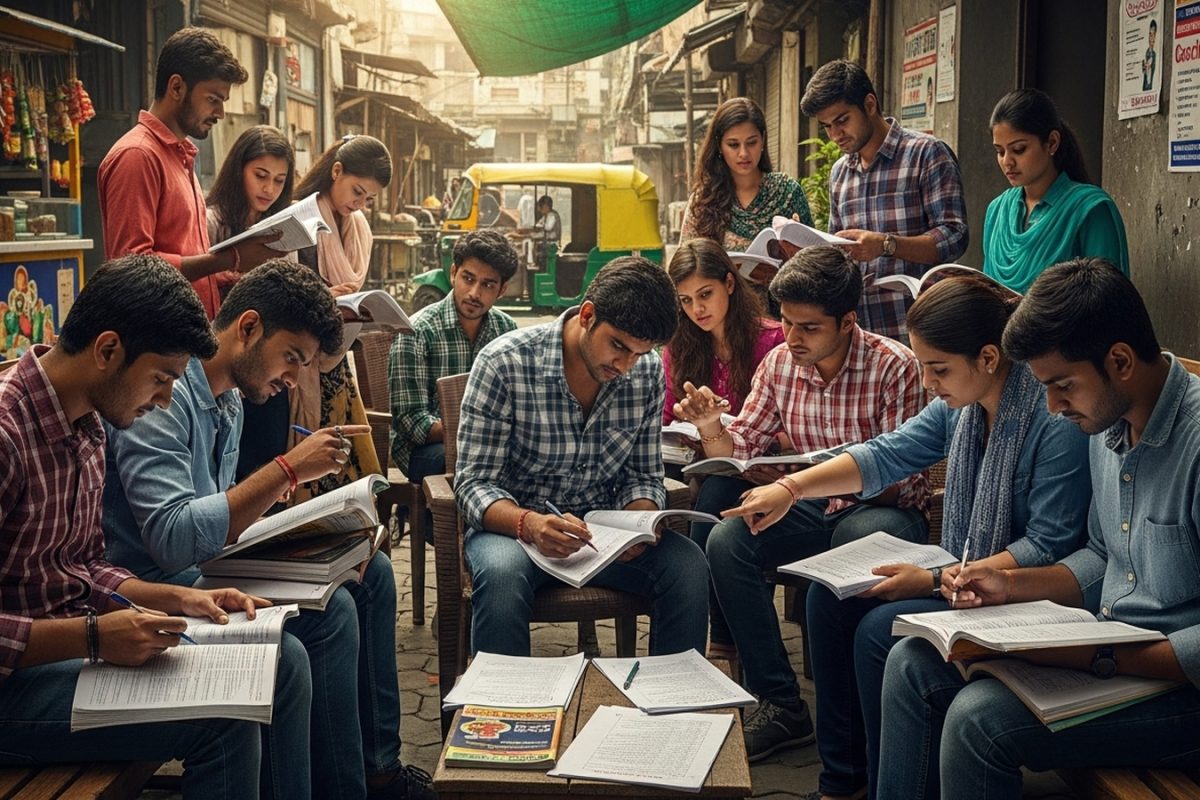
Dr. Rina Das, an education specialist with decades of experience, emphasizes the broader implications of these closures. "While the immediate focus is rightly on health and safety, prolonged disruptions can hinder academic progress," she notes. "We need to explore digital platforms to keep students engaged during these closures."
Moreover, the psychological impact of such interruptions can't be understated. Teachers are tasked with finding creative ways to maintain the learning momentum remotely, an endeavor that requires support and resources.
Preparing for Future Winters
Looking ahead, state governments are contemplating long-term solutions to mitigate the effects of such cold waves. The integration of digital education platforms is being considered more earnestly, ensuring that students continue to learn even when physical attendance isn't feasible.
There is also a call for enhancing infrastructure to make school buildings more weather-resilient. This includes better heating arrangements and ensuring availability of warm water facilities within schools.
Conclusion: A Resilient Education Community
As the cold wave continues to grip the heartland, the situation serves as a reminder of the resilience and adaptability of our education system. Schools, parents, and administrations are working in unison, ensuring that despite the chill, the warmth of learning continues to glow.