 ThinkScope
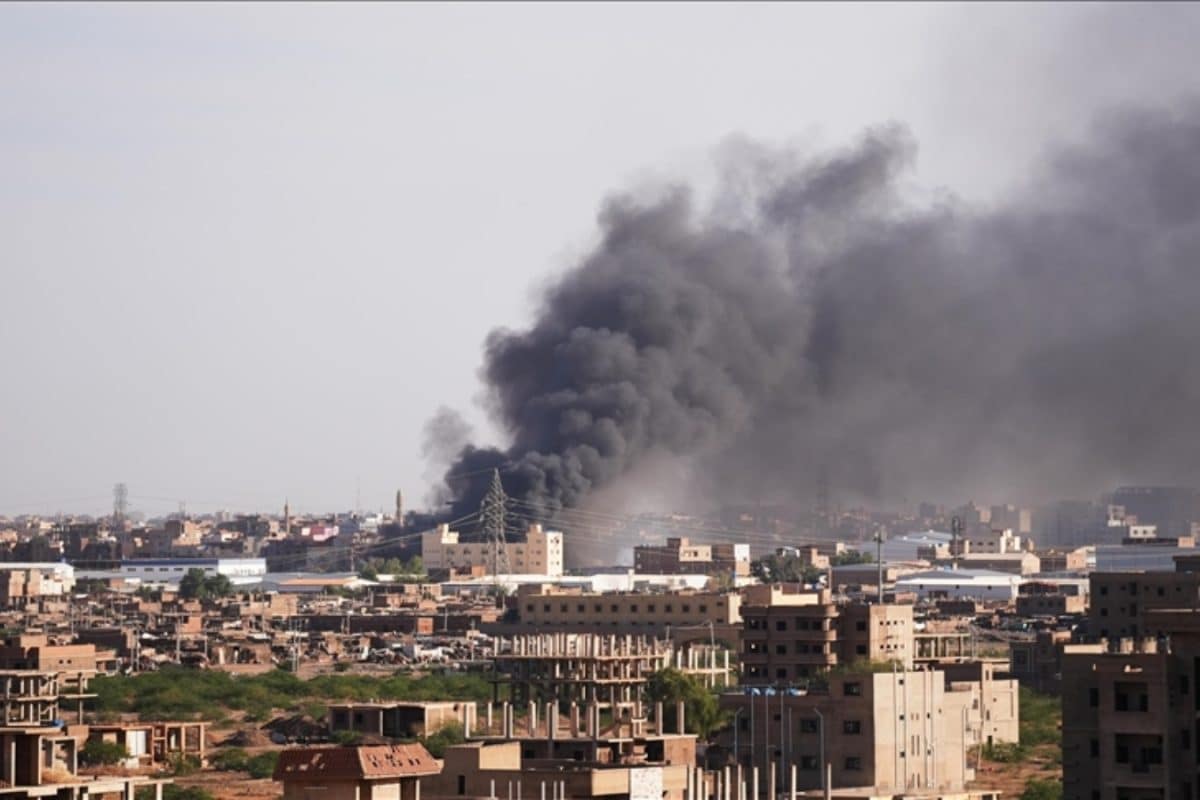
The recent drone attack on a United Nations base in Sudan has sent shockwaves across the globe, resulting in the tragic loss of six Bangladeshi peacekeepers. This incident is a stark reminder of the increasing risks faced by peacekeeping forces in conflict zones. As the international community comes to terms with this devastating event, it is essential to examine the circumstances surrounding the attack and its implications for the future of peacekeeping operations.
The United Nations has been engaged in peacekeeping efforts in Sudan for several years, with the aim of stabilizing the region and protecting civilians from violence. However, the growing instability in the region has made it increasingly challenging for peacekeepers to operate safely. The drone attack on the UN base is a clear indication that the risks faced by peacekeepers are escalating, and it is crucial that the international community takes immediate action to address this issue.
According to reports, the drone attack was carried out by an unknown entity, and an investigation is currently underway to determine the perpetrators. The incident has sparked widespread condemnation, with the Bangladeshi government expressing its strong condemnation of the attack. The government has also called for increased security measures to be put in place to protect peacekeepers in the region. The United Nations has pledged to support the investigation and to take all necessary steps to ensure the safety of its personnel.
The loss of six Bangladeshi peacekeepers is a significant blow to the country's peacekeeping efforts, and it is likely to have a profound impact on the nation's contribution to UN peacekeeping operations. Bangladesh has been a significant contributor to UN peacekeeping missions, with thousands of its troops deployed in various conflict zones around the world. The incident is likely to raise questions about the effectiveness of UN peacekeeping operations and the measures in place to protect peacekeepers.
Experts believe that the drone attack on the UN base in Sudan highlights the need for a more comprehensive approach to peacekeeping operations. This includes investing in advanced security technologies and providing peacekeepers with the necessary training and equipment to operate effectively in high-risk environments. It also requires a more nuanced understanding of the complex conflicts in which peacekeepers are deployed, as well as a willingness to adapt to changing circumstances on the ground.
The implications of the drone attack on the UN base in Sudan are far-reaching, and it is likely to have a significant impact on the future of peacekeeping operations. As the international community grapples with the challenges of peacekeeping, it is essential to prioritize the safety and security of peacekeepers. This requires a collective effort from governments, the United Nations, and other stakeholders to address the root causes of conflict and to develop more effective strategies for protecting peacekeepers.
In recent years, there has been a growing trend of attacks on peacekeepers in various conflict zones. This has raised concerns about the ability of the United Nations to protect its personnel and to carry out its mandate effectively. The drone attack on the UN base in Sudan is a stark reminder of the risks faced by peacekeepers and the need for a more robust and effective approach to peacekeeping operations. As the international community moves forward, it is essential to learn from past experiences and to develop new strategies for protecting peacekeepers and promoting peace and stability in conflict zones.
In conclusion, the deadly drone attack on the UN base in Sudan is a tragic reminder of the risks faced by peacekeepers in conflict zones. As the international community comes to terms with this devastating event, it is essential to prioritize the safety and security of peacekeepers and to develop more effective strategies for protecting them. This requires a collective effort from governments, the United Nations, and other stakeholders to address the root causes of conflict and to promote peace and stability in conflict zones. Only through a concerted effort can we hope to prevent such tragedies from occurring in the future and to ensure that peacekeepers can carry out their vital work safely and effectively.