 ThinkScope
Opening Hook
In a defining moment for India's education landscape, Education Minister Dharmendra Pradhan called upon academic experts and officials to forge a transformative roadmap for strengthening the nation's school education. His impassioned plea underscores an urgent need to bridge learning gaps and reinforce teacher capacity, setting the stage for robust human capital development.
Context & Background
India's educational system, a cornerstone of its socio-economic fabric, faces challenges that have been exacerbated by the COVID-19 pandemic. For years, educators have grappled with outdated curricula, insufficient teacher training, and stark inequalities in educational access. Now, as the nation emerges from a period of unprecedented disruption, there is a palpable urgency to address these systemic issues.
The government, under Pradhan's guidance, is prioritizing reforms aimed at enhancing both the quality and accessibility of education. In recent conferences, Pradhan has consistently highlighted the importance of adopting innovative teaching methods, integrating technology, and fostering a more inclusive educational environment.
Main Story/Details
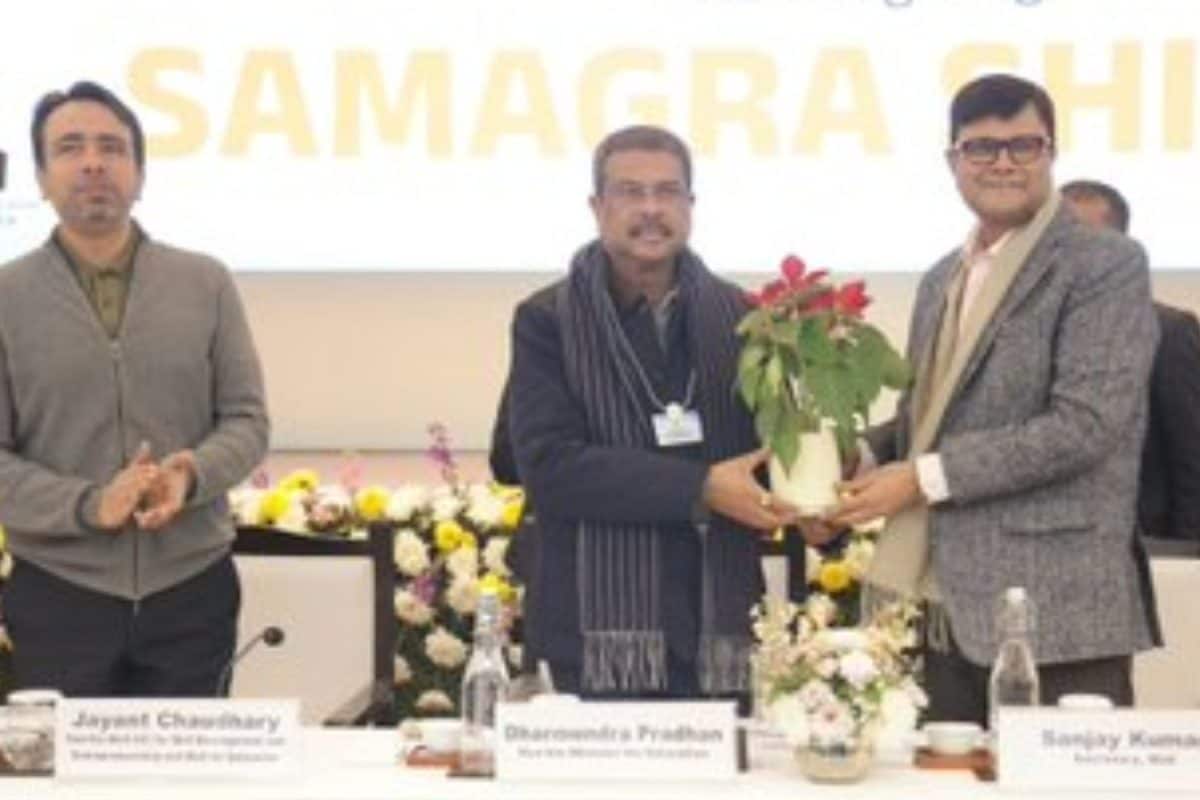
During a recent symposium held in New Delhi, Pradhan delivered a compelling keynote address to a captivated audience of educators and policy-makers. "Our children deserve an education system that not only imparts knowledge but also inspires innovation," he stated, his voice resonating through the auditorium. "We must equip our teachers with the tools they need to nurture young minds."
Pradhan's vision for education reform is comprehensive. It includes a commitment to investing in digital infrastructure to ensure that remote learning can be seamlessly integrated into traditional classrooms. The minister emphasized the importance of lifelong learning, advocating for continuous professional development for teachers, which he believes is crucial for adapting to evolving pedagogical approaches.
Moreover, Pradhan addressed the critical issue of learning gaps that have widened during the pandemic. "We cannot afford to leave any child behind," he asserted, announcing initiatives aimed at personalized learning support and remedial education programs designed to help students catch up.
Expert Insights/Analysis
Educational experts have lauded Pradhan's approach, recognizing the potential long-term benefits of such reforms. Dr. Anjali Menon, a leading education consultant, commented,
"Minister Pradhan's roadmap is a step in the right direction. By focusing on teacher empowerment and addressing disparities, we can create an equitable educational landscape."
She further highlighted the critical role of public-private partnerships in driving these initiatives, suggesting collaborative efforts could accelerate the pace of change.
Future Implications/What's Next
Looking ahead, the implementation of Pradhan's roadmap will be crucial. The government plans to roll out pilot programs in select regions, gathering data and refining strategies before a nationwide deployment. These efforts are expected to take shape over the next few years, with significant milestones targeted for the 2025 academic year.
The potential impact of this educational overhaul is immense. By prioritizing teacher training, digital integration, and inclusive policies, India sets a precedent that could inspire similar reforms across the globe. The journey to reform is not without challenges, but the commitment shown by Pradhan and his team is a beacon of hope.
Conclusion
As India charts a new course for its educational future, the resolve to create a more dynamic, inclusive, and effective school system remains unwavering. Dharmendra Pradhan's visionary roadmap serves as a catalyst for change, promising to usher in a new era of learning and opportunity for millions of young Indians.