 ThinkScope
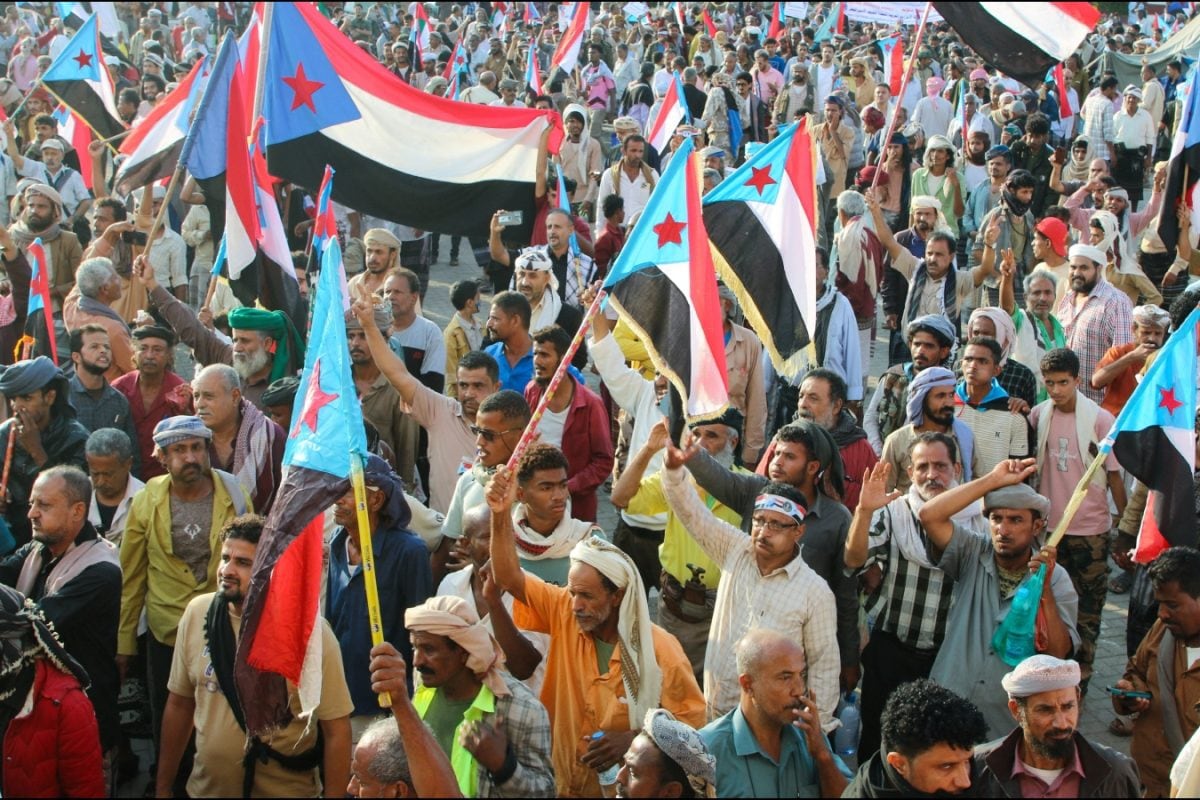
The simmering tensions in Yemen have reached a boiling point with the latest airstrikes conducted by the Saudi-led coalition. These strikes targeted positions held by the UAE-backed Southern Transitional Council (STC), which has recently asserted control over significant regions in the southern part of the country. This escalation has reignited fears of a prolonged conflict, further complicating the already volatile situation in the region.
Both the Saudi-led coalition and the STC have been pivotal players in Yemen's ongoing strife, yet their agendas have not always aligned. The recent airstrikes seem to signal a breakdown in previously tentative collaborations, as both sides jostle for influence and territorial control. The STC's growing foothold in Yemen's south has evidently become a flashpoint, triggering a forceful response from the coalition.
Local communities, already reeling from years of conflict and humanitarian crises, are bearing the brunt of these renewed hostilities. The strikes, which resulted in the loss of lives and significant damage to infrastructure, have exacerbated the plight of civilians in the region. As the dust settles, the immediate need for humanitarian aid is paramount, with many fearing that reduced access could lead to an even deeper humanitarian disaster.
As the international community watches closely, the hope remains that diplomatic efforts will be revitalized to de-escalate the situation. However, the reality on the ground suggests an uphill battle. The complex web of alliances and rivalries in Yemen's landscape makes a straightforward resolution elusive. For now, the people caught in the crossfire can only hope that peace efforts will eventually take precedence over further conflict.