 ThinkScope
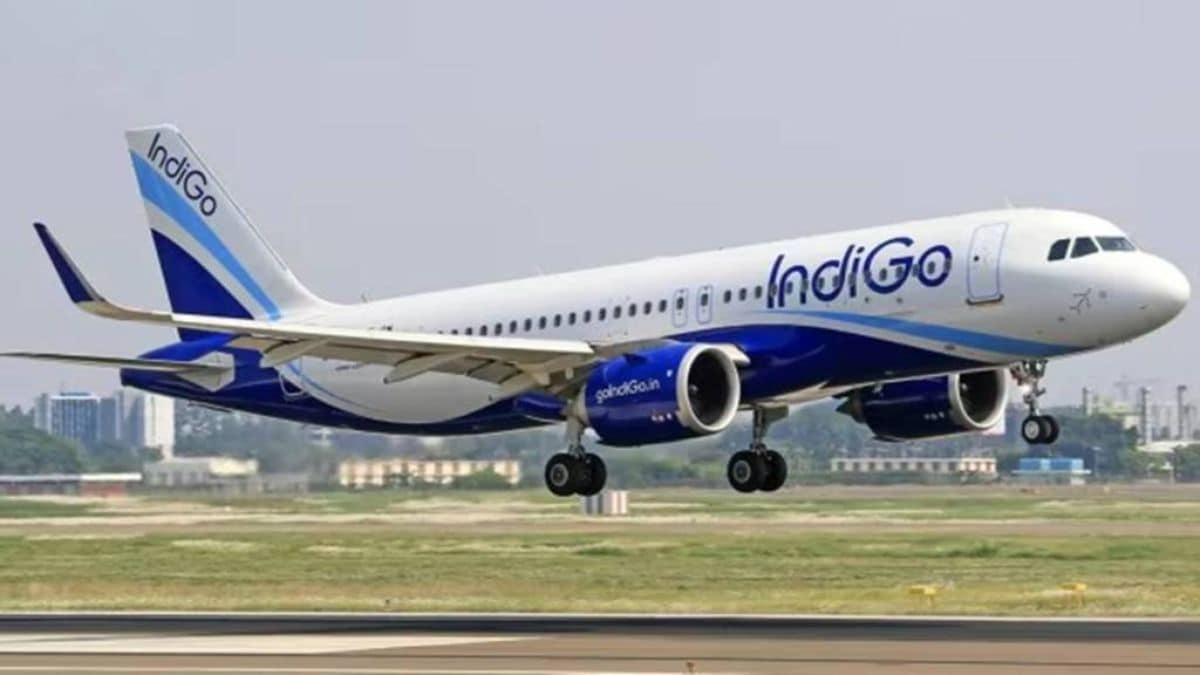
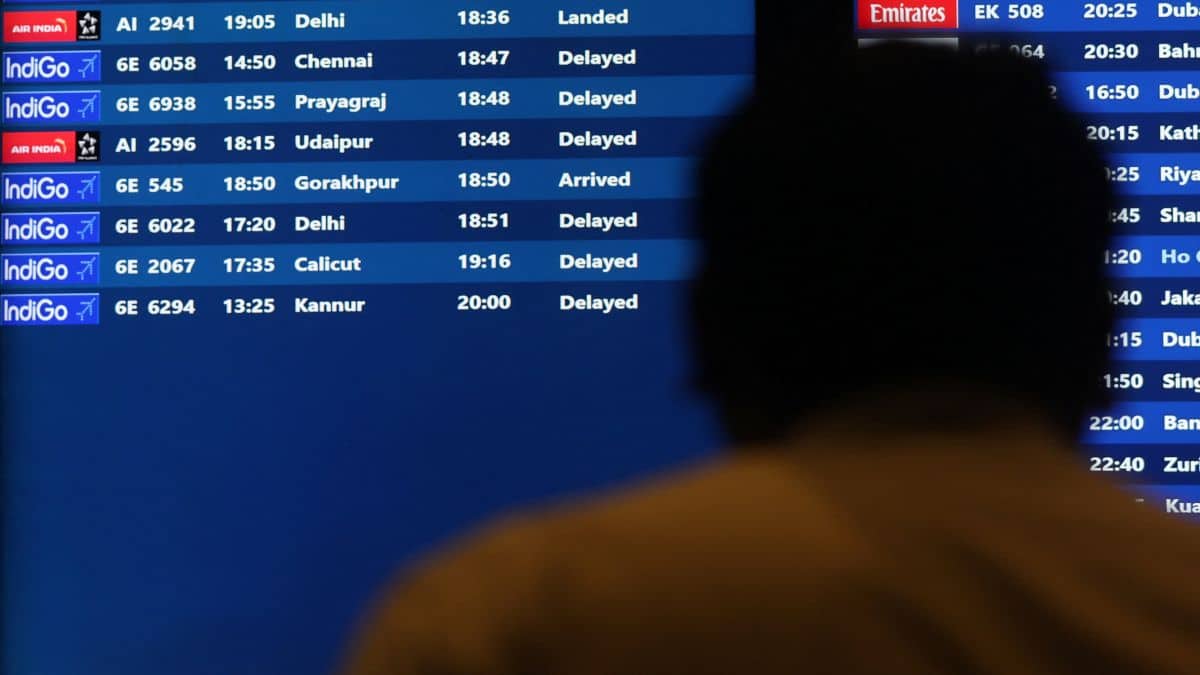
The Indian aviation sector has been grappling with a major crisis after IndiGo, the country's largest airline, cancelled over 200 flights in a span of two days. The move has left thousands of passengers stranded, with many more facing delays and disruptions. According to the airline, the primary reason behind this chaos is the crew shortage resulting from Flight Duty Time Limitations. But what are these limitations, and why are they causing such turmoil in the industry?
The Flight Duty Time Limitations are regulations imposed by the Directorate General of Civil Aviation (DGCA) to ensure that pilots do not exceed a certain number of flying hours within a specified time frame. These regulations are in place to prevent pilot fatigue, which can lead to serious safety risks. However, the implementation of these regulations has resulted in a shortage of available pilots, particularly during peak travel seasons. As a result, airlines are being forced to cancel flights, leading to widespread disruptions and inconvenience to passengers.
IndiGo has been facing a severe shortage of pilots, with many of its crew members reaching the maximum allowed flying hours. The airline has been trying to address this issue by hiring more pilots, but the process is time-consuming and expensive. Meanwhile, the airline has been forced to cancel flights, resulting in a significant loss of revenue and damage to its reputation. The situation has been further exacerbated by the fact that many other airlines are also facing similar crew shortages, making it difficult for passengers to find alternative flights.
The impact of these cancellations has been felt across the country, with many passengers facing significant disruptions to their travel plans. The situation has been particularly severe for those traveling for urgent reasons, such as business or medical emergencies. The airline has apologized for the inconvenience caused and has offered to refund or rebook tickets for affected passengers. However, the damage to its reputation and the loss of customer trust may take a long time to repair.
From an expert perspective, the issue of crew management is a critical one that requires careful planning and execution. Airlines need to ensure that they have a sufficient number of pilots to meet demand, while also adhering to safety regulations. This requires a delicate balance between crew utilization and pilot fatigue management. The use of advanced technology, such as crew management software, can help airlines optimize their crew scheduling and reduce the risk of cancellations.
The implications of this crisis are far-reaching, with potential consequences for the entire aviation industry. The DGCA has announced plans to review the Flight Duty Time Limitations and consider relaxations to help airlines cope with the crew shortage. However, any changes to these regulations will need to be carefully considered to ensure that safety is not compromised. Meanwhile, airlines will need to work closely with regulators and other stakeholders to develop effective solutions to the crew shortage crisis.
In related news, other airlines have also been facing crew shortages, highlighting the need for a more comprehensive approach to addressing this issue. The Airports Authority of India (AAI) has announced plans to increase the number of aircraft parking bays at major airports, which could help reduce congestion and alleviate some of the pressure on airlines. However, a more fundamental solution will require a concerted effort from all stakeholders, including airlines, regulators, and training institutions.
In conclusion, the recent flight cancellations by IndiGo have highlighted the critical issue of crew management in the aviation industry. While the Flight Duty Time Limitations are essential for ensuring safety, their implementation has resulted in a shortage of available pilots. To address this crisis, airlines, regulators, and other stakeholders will need to work together to develop effective solutions, including the use of advanced technology and more efficient crew management practices. Only then can the industry hope to restore passenger confidence and provide a seamless travel experience.