 ThinkScope
Opening Hook
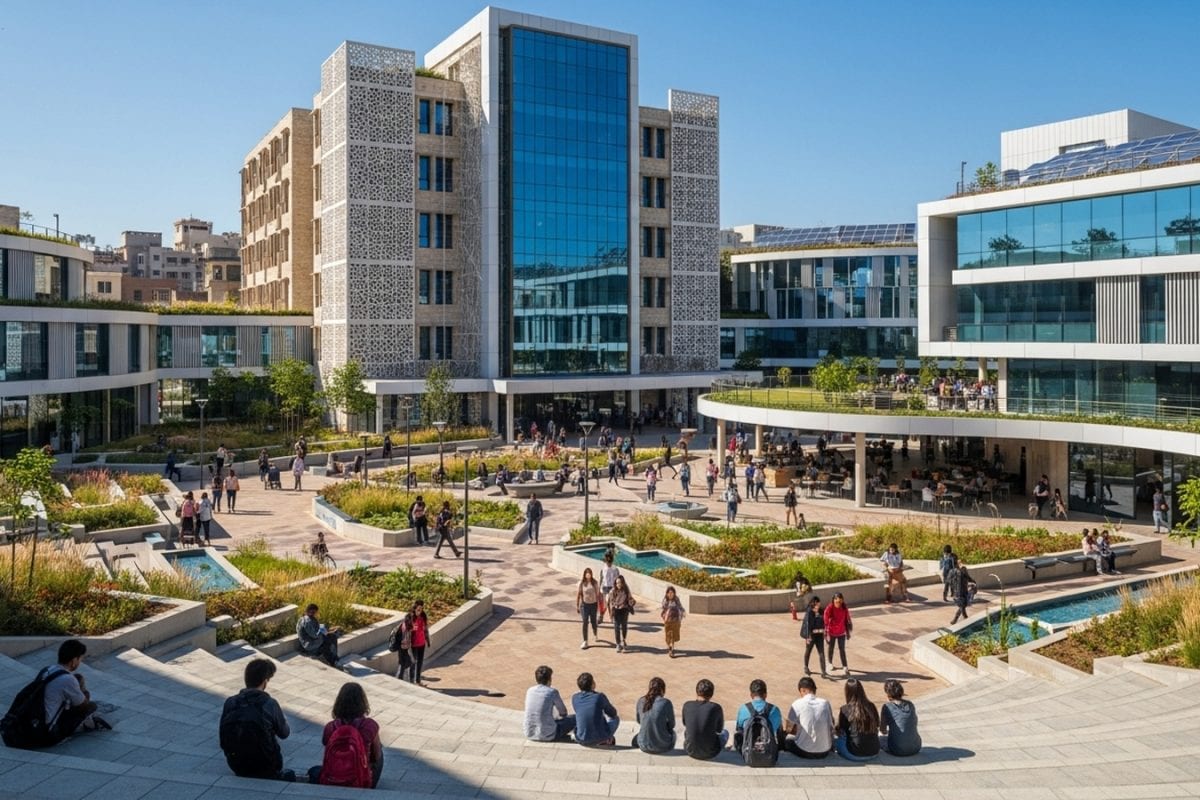
Imagine walking through the lush, sprawling campus of a prestigious British university, right in the heart of India. This isn't a study-abroad dream—it's the new reality for students eager to experience global education without leaving home.
Context & Background
In an educational landscape that’s rapidly evolving, India is opening its doors like never before. The University Grants Commission (UGC) has recently unveiled regulations that green-light the establishment of foreign university campuses on Indian soil. This move aligns with the National Education Policy 2020, aiming to elevate the country's higher education standards by infusing international expertise and methodologies.
Historically, Indian students have sought higher education opportunities abroad due to limited options for world-class education domestically. However, with a strategic focus on international collaboration, this dynamic is beginning to shift. Universities like the University of Southampton and Bristol are leading the charge, creating a vibrant tapestry of multicultural academic environments right here in India.
Main Story/Details
On a bright Tuesday morning in downtown Bengaluru, students gathered excitedly at the newly inaugurated Bristol University campus. The energy was palpable; the promise of cutting-edge research facilities and a curriculum steeped in British academic tradition was finally within reach.
The University of Southampton, known for its strong engineering programs, has also set up a satellite campus in Mumbai. This initiative allows students to engage with industry-ready courses and internationally acclaimed faculty, all within their own country. The campus, designed to mirror its UK counterpart, boasts state-of-the-art labs and collaborative spaces focused on innovation and sustainability.
“This is a golden opportunity for Indian students who want a global perspective without the hefty price tag of going abroad,” says Dr. Meera Srivastava, a professor at the Mumbai campus. “We’re blending the best of both worlds—international curricula and local context.”
Expert Insights/Analysis
Educational experts are hailing this as a milestone in India’s higher education sector. Dr. Ravi Kumar, an education policy analyst, explains, “Global campuses in India are a game-changer. They bring diverse perspectives, which are crucial in today’s interconnected world. Indian institutions, too, can benefit by adopting best practices from their international counterparts.”
According to data from the UGC, several other foreign institutions are in talks to establish their presence in the country, reflecting the robust demand and potential for such partnerships.
Future Implications/What's Next
As more international universities explore setting up campuses in India, the educational ecosystem is poised for a significant transformation. This could mean more collaborative programs, exchange opportunities, and research partnerships that place India on the global academic map.
While challenges remain, such as aligning regulatory frameworks and ensuring quality standards, the momentum is undeniable. Students can look forward to a future where accessing world-class education doesn't necessarily require leaving home.
Conclusion
As these foreign campuses begin to weave into the fabric of India’s educational landscape, they represent more than just new buildings—they symbolize a bridge to a future where global education is accessible to all. For students across the nation, this is just the beginning of an exciting journey.