 ThinkScope
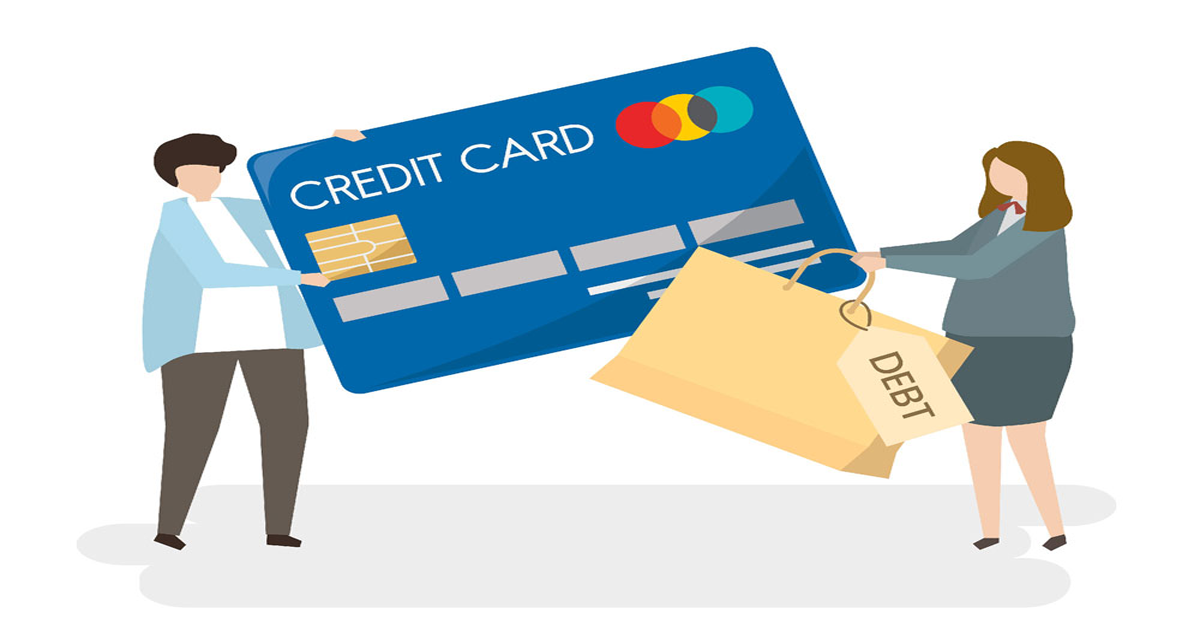
Your CIBIL score plays a crucial role in deciding whether you get a loan or credit card—and at what interest rate. A good credit card, when used correctly, can be one of the fastest and safest tools to improve your score. The key lies not in spending more, but in using the card smartly and consistently.
If your score is low or average, don’t worry. With disciplined credit card habits, you can steadily build a strong CIBIL profile over time.
Understand How Credit Cards Affect Your CIBIL Score
Every month, banks report your credit card activity to credit bureaus. This includes how much you spend, whether you pay on time, how much credit you use, and how long you’ve been using credit.
In simple terms, your card tells lenders one story: Can this person handle borrowed money responsibly?
Always Pay Your Credit Card Bill on Time
This is the most important rule. Even one late payment can hurt your CIBIL score and stay on your credit report for years.
- Pay the bill before the due date, not on the due date
- Set up auto-debit for at least the full amount due
- Never ignore small outstanding balances
On-time payments show consistency and reliability, which lenders value the most.
Keep Your Credit Utilisation Low
Credit utilisation means how much of your total credit limit you are using. Ideally, you should use less than 30% of your available limit.
For example, if your credit limit is ₹1,00,000, try not to spend more than ₹30,000 in a billing cycle.
High utilisation makes it look like you are dependent on credit, even if you pay on time. Low utilisation signals control.
Pay the Full Amount, Not Just the Minimum Due
Paying only the minimum amount due may keep your card active, but it harms your financial health in two ways:
- You pay high interest on the remaining balance
- Your credit utilisation stays high for longer
Always aim to pay the total outstanding amount. This improves your score faster and saves you money.
Use Your Credit Card Regularly—but Wisely
Using your card occasionally is better than not using it at all. Regular, small transactions show healthy credit behaviour.
You can use your card for:
- Monthly groceries
- Fuel or utility bills
- Online subscriptions
Then pay the full bill every month. This creates a positive credit history without unnecessary spending.
Avoid Applying for Too Many Credit Cards
Every time you apply for a credit card, the lender checks your credit report. Too many such checks in a short time can reduce your CIBIL score.
Apply only when necessary, and give your credit profile time to improve between applications.
Don’t Close Old Credit Cards Unnecessarily
The age of your credit history matters. An old credit card with a good repayment record helps your score.
Even if you don’t use an old card frequently, keep it active with a small transaction every few months—unless it has a very high annual fee.
Monitor Your Credit Report Regularly
Check your CIBIL report at least once every few months to ensure:
- No missed payments are wrongly reported
- All closed cards and loans are updated correctly
- There are no unknown accounts or errors
If you spot a mistake, raise a dispute immediately. Fixing errors can give your score a quick boost.
Be Patient and Stay Consistent
Improving your CIBIL score doesn’t happen overnight. It usually takes a few months of disciplined credit card usage to see visible improvement.
Stick to the basics—on-time payments, low utilisation, and responsible spending—and your score will rise steadily.
Final Thought
A credit card is not a financial trap—it’s a financial tool. Used carefully, it can open doors to better loans, lower interest rates, and stronger financial credibility. Treat your credit card like a responsibility, not free money, and your CIBIL score will reward you for it.