 ThinkScope
The Indian Gold and Silver Markets: A Tale of Two Trends
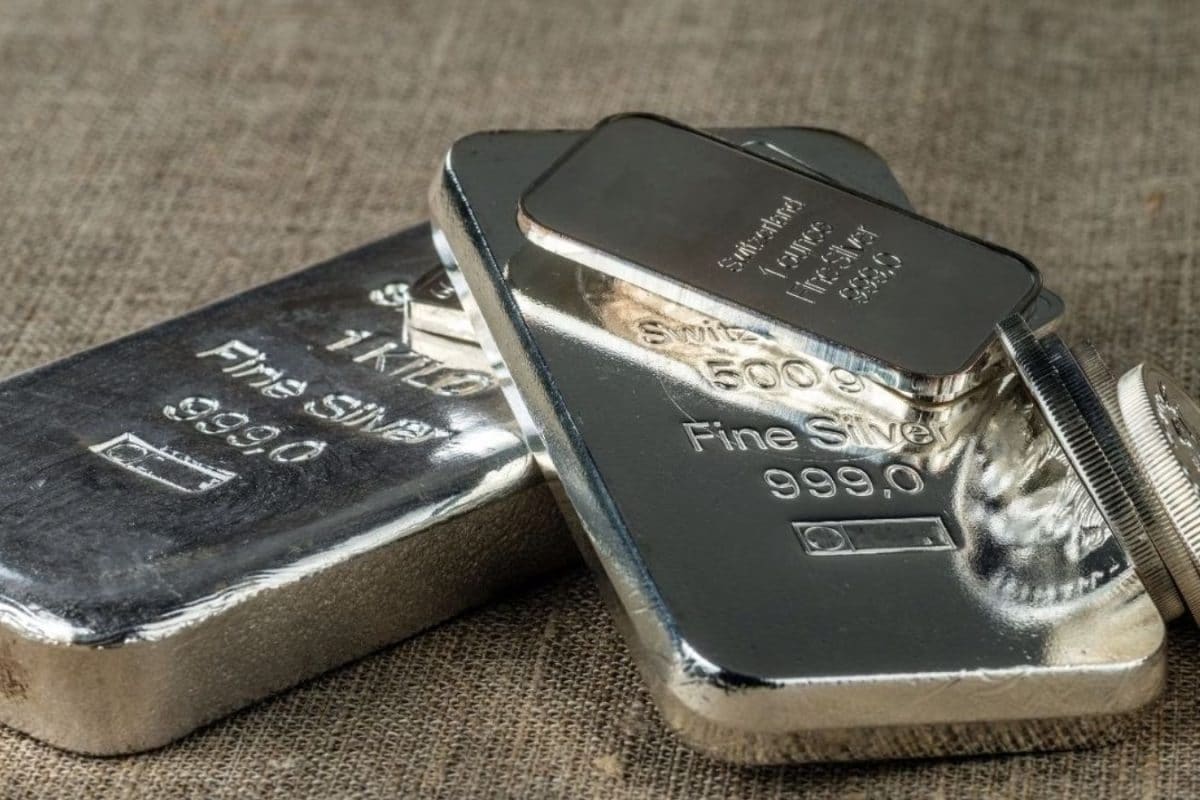
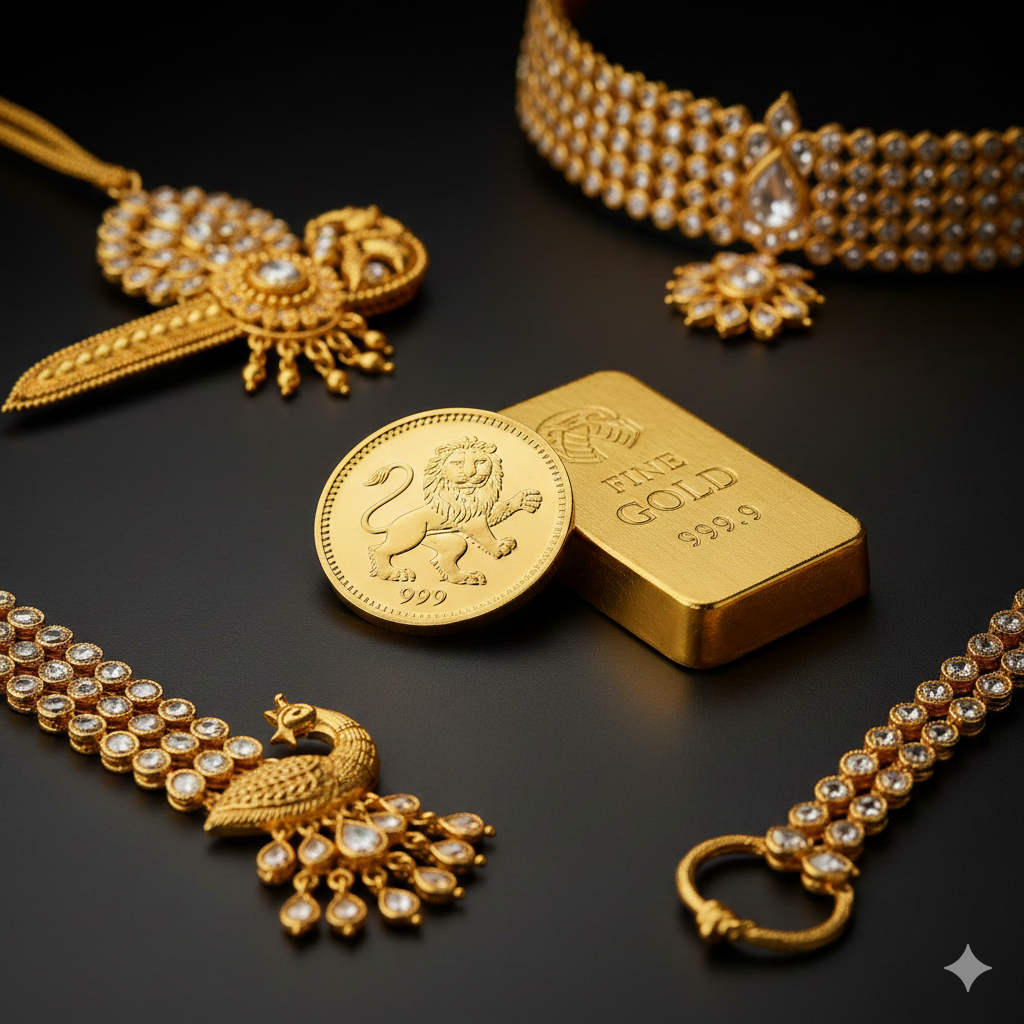
In the nuanced landscape of India's precious metals market, today's trading session encapsulates a tale of divergence. Gold, the timeless asset celebrated for its stability and allure, has experienced a modest ascent, inching up by 0.16% to ₹14,549.62 per 10 grams. In contrast, silver, often overshadowed by its golden counterpart, has seen a decline of 1.42%, slipping to ₹2,628.16 per kilogram. These movements, though not seismic, are emblematic of the broader forces at play, both globally and locally.
Global Influences: The Federal Reserve's Shadow
At the heart of gold's resilience is the Federal Reserve's carefully measured approach to monetary policy. With recent indications suggesting a more cautious stance on further interest rate hikes, the landscape for gold appears favorable. Historically, the culmination of a tightening cycle tends to bolster gold's appeal, as the opportunity cost of holding this non-yielding asset diminishes. In an era marked by economic uncertainty and potential inflationary pressures, gold's role as a hedge becomes increasingly pronounced.
Meanwhile, the U.S. Dollar Index (DXY) remains a pivotal player. Despite its general robustness, recent softening has lent an underlying strength to gold prices. A weaker dollar generally renders gold more accessible to holders of other currencies, subtly nudging prices upward. Today’s price movement partially reflects these currency dynamics, underscoring gold's intricate relationship with the global monetary landscape.
Silver: The Industrial Metal's Struggles
Silver, however, is navigating choppier waters. The metal's dual role as both a precious and industrial commodity complicates its trajectory. With U.S. Treasury yields maintaining elevated levels, the cost of financing industrial projects remains high, dampening demand for silver. The metal's decline today can be attributed to these persistent headwinds, as concerns over economic growth and inflation continue to weigh heavily on industrial investments.
Geopolitical Undercurrents
The geopolitical climate adds another layer of complexity. Tensions simmering in the Middle East and Eastern Europe have traditionally driven investors towards safe-haven assets like gold. While today's modest gain suggests that these factors are supportive, they are not singularly decisive. The interplay of multiple variables creates a market environment where gold's upward trajectory is steady, yet measured.
Local Demand Dynamics: Festivals and Policies
Within India, the cultural and seasonal rhythms play a significant role. The festive season, marked by Diwali's grandeur and the subsequent wedding season, is a period of heightened gold purchases. Despite global pressures, this robust local demand provides a counterbalance to any downward forces, sustaining gold's price levels.
However, government policies, particularly import duties, continue to exert influence. Recent measures aimed at curbing the current account deficit through higher import duties have introduced an element of restraint. Yet, the cultural ubiquity of gold ensures its enduring appeal, even as regulatory landscapes shift.
Technical Analysis: Key Levels to Watch
For market participants, technical thresholds offer guidance. Gold finds support at ₹14,400, a psychological level where buying interest has historically emerged. Resistance looms at ₹14,600, a point where profit-taking could temper further gains. Silver, meanwhile, sees support at ₹2,550, attracting buyers during dips, while resistance at ₹2,700 has proven a formidable barrier.
In conclusion, the divergent paths of gold and silver in the Indian market today reflect a complex tapestry of global macroeconomic influences, local cultural drivers, and technical considerations. As the landscape evolves, astute investors will remain vigilant, attuned to the Federal Reserve's signals, currency fluctuations, and domestic policy developments.