 ThinkScope
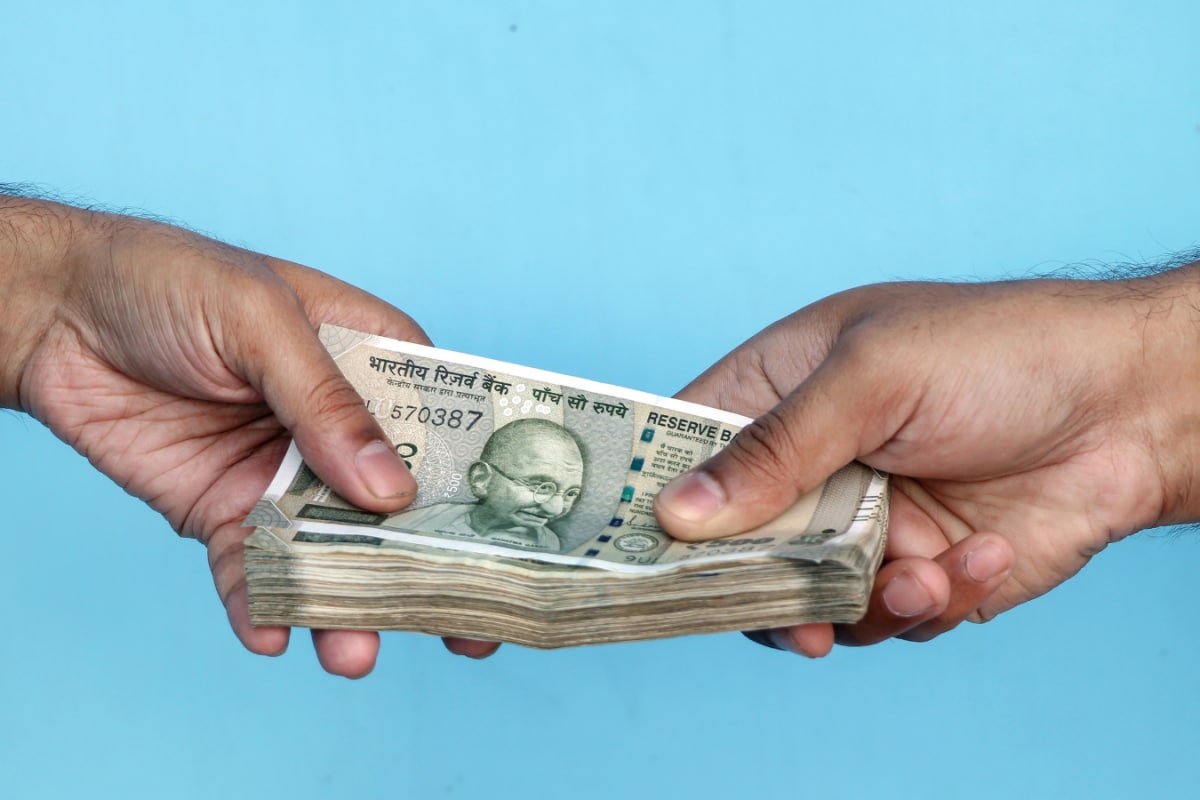
The announcement that Nepal is poised to lift its ban on Indian currency notes above ₹100 has sent ripples of excitement through the economic and tourism sectors. This move is anticipated to have a profound impact on Nepal's economy, which has historically been heavily reliant on Indian visitors. By removing the restriction on higher denomination notes, Nepal is effectively opening its doors to a significant influx of Indian tourists, which is expected to bolster the local economy.
The context behind this decision is deeply rooted in the historical and cultural ties between Nepal and India. Economic cooperation between the two nations has been a cornerstone of their relationship, with India being one of Nepal's largest trading partners. The ban on higher denomination Indian notes was initially implemented to curb illegal activities and maintain economic stability. However, with the evolution of economic policies and the need for mutual growth, lifting the ban is seen as a strategic move to enhance cross-border economic interactions.
Key details of the plan indicate that the removal of the ban is part of a broader strategy to enhance Nepal's economic landscape. By facilitating the use of Indian currency, Nepal aims to make its tourism sector more attractive to Indian visitors, who constitute a significant portion of the country's tourist population. Moreover, this move is expected to streamline transactions and reduce the complexities associated with currency exchange, thereby promoting a more conducive business environment.
Experts suggest that the lifting of the ban will have multifaceted benefits for Nepal. For instance, it is expected to increase the average length of stay of Indian tourists, as they will have easier access to local currency, thereby boosting the hospitality sector. Additionally, the removal of the ban is anticipated to encourage more Indian investments in Nepal, further strengthening the economic bonds between the two countries. Foreign direct investment is likely to see an uptick, contributing to Nepal's economic growth and development.
From an analytical perspective, the implications of this decision are profound. It not only underscores the commitment of the Nepalese government to fostering a more open and inviting economy but also reflects the evolving nature of economic relationships in the region. Experts point out that this move could set a precedent for similar economic liberalization policies in other sectors, potentially leading to a more integrated and interdependent regional economy. The analysis also suggests that the decision could have a positive impact on the overall economic indicators of Nepal, including GDP growth and employment rates.
The decision to lift the ban on Indian currency notes above ₹100 comes at a time when Nepal is looking to diversify its economy and reduce its dependence on a single sector. By promoting tourism and encouraging Indian investments, Nepal is taking strategic steps towards achieving a more balanced and sustainable economic model. Moreover, this move is seen as part of a broader effort to enhance regional cooperation and promote economic harmony among neighboring countries.
In related developments, there has been a noticeable increase in infrastructure development projects in Nepal, aimed at enhancing the country's appeal to tourists and investors alike. The development of new hotels, resorts, and other tourism infrastructure is expected to complement the decision to lift the ban on Indian currency, creating a more comprehensive and attractive tourism package for visitors. This, in turn, is anticipated to have a positive impact on local communities, through the creation of employment opportunities and the stimulation of local economies.
In conclusion, the decision to lift the ban on Indian currency notes above ₹100 marks a significant turning point in Nepal's economic journey. As the country prepares to embrace this change, it is clear that the implications will be far-reaching, impacting not only the tourism and hospitality sectors but also the broader fabric of the Nepalese economy. With its potential to foster greater economic cooperation, promote regional harmony, and stimulate growth, this move is set to redefine the economic landscape of Nepal and pave the way for a more prosperous and integrated future.