 ThinkScope
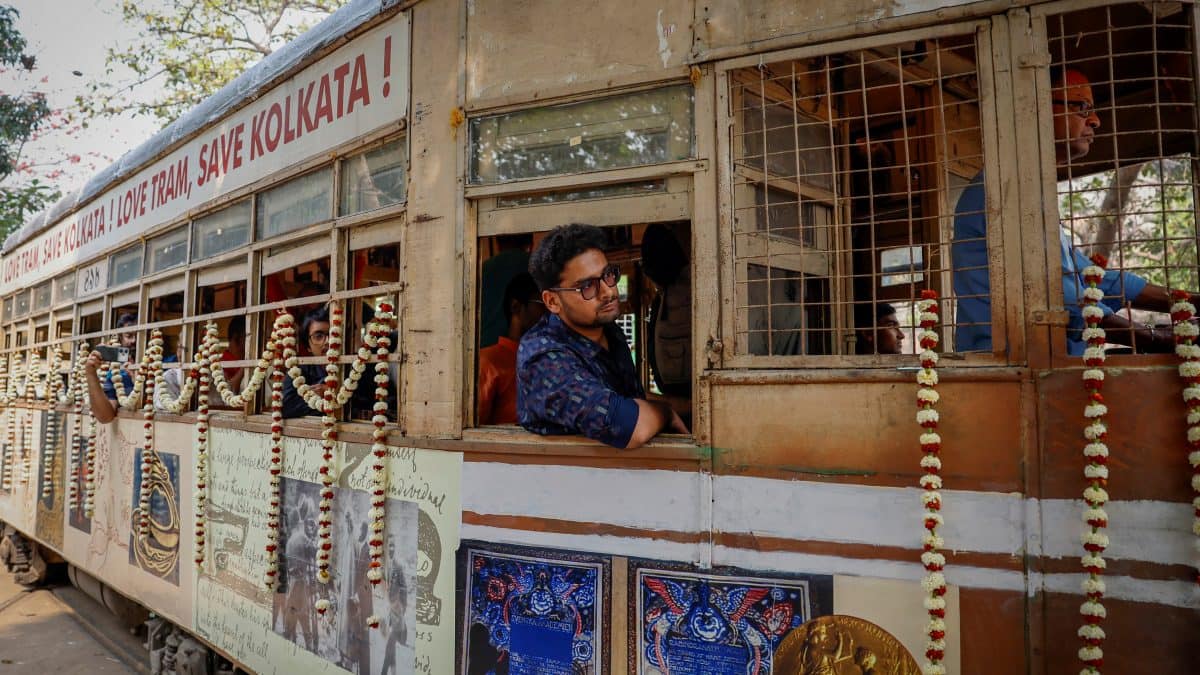
Kolkata, a city where history and modernity often clash, stands at a crossroads as its cherished tram network faces the prospect of closure. This once-thriving system, now an emblem of nostalgia, is being scrutinized amidst plans for modernization. Residents who have shared countless memories along these vintage tracks are grappling with the potential loss of a beloved cultural icon.
The trams of Kolkata have long been more than just a mode of transportation; they are a rolling testament to the city's vibrant history. For many, these trams offer a slower pace in an otherwise bustling metropolis, a reminder of a simpler time. Yet, as the city grows and demands for faster, more efficient public transport increase, the tram's practical relevance is being called into question.
Passionate locals are sparking debates, arguing that the trams are integral to the city's identity. Legal actions and cultural campaigns have emerged to save the system from being dismantled. Proponents of preservation suggest innovative solutions, such as integrating heritage tours or revamping the trams to better suit modern needs, as a way to retain this slice of history while accommodating progress.
The outcome of this battle between tradition and transformation remains uncertain. As Kolkata evolves, it faces the challenge of embracing modernization without losing touch with the symbols that define its rich legacy. The city's decision will not only shape its transportation future but also influence how it honors its historical roots in a rapidly changing world.