 ThinkScope
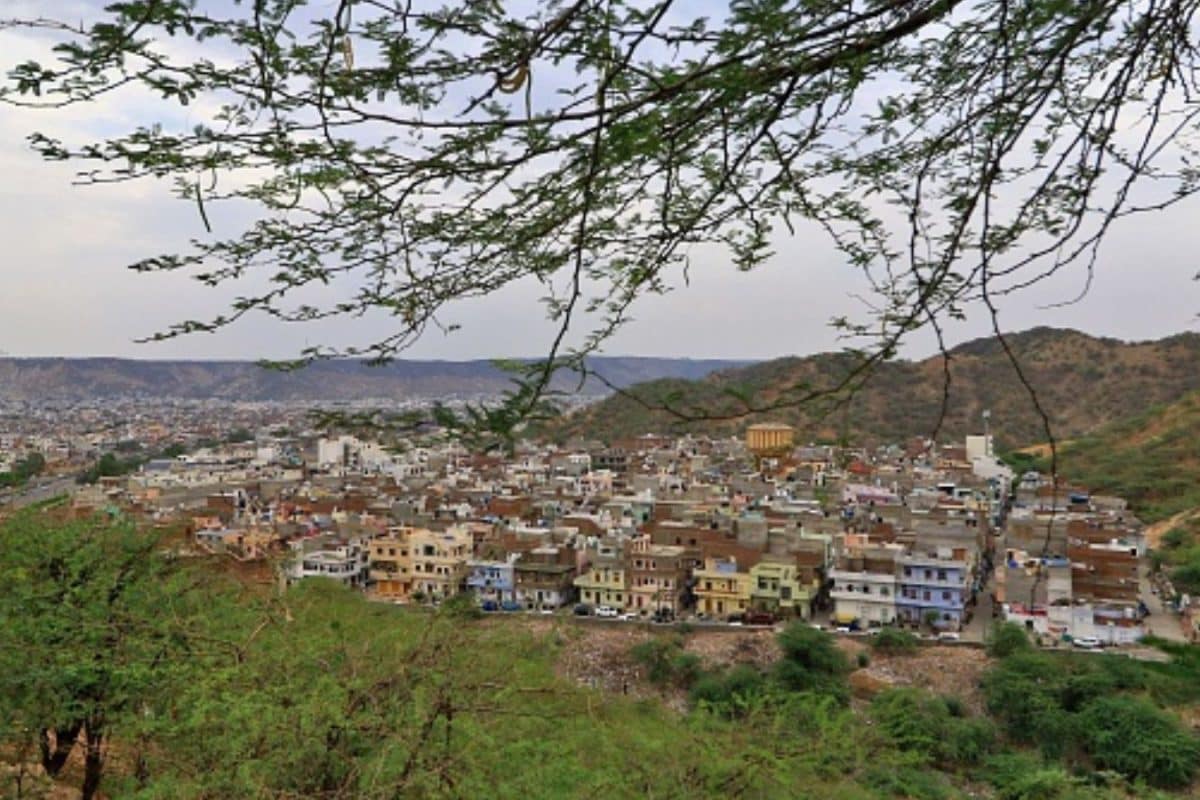
The Aravalli Range, stretching across northern India, is not just a geographical marvel but also a vital ecological barrier. Over the years, this ancient mountain range has been at the heart of a growing controversy involving environmental concerns and legal battles. With the Supreme Court stepping in, the landscape of the debate has shifted significantly, providing essential insights for those preparing for competitive exams like the UPSC.
At the core of the Aravalli controversy is the illegal mining and rampant deforestation that have plagued the area, threatening its fragile ecosystem. The Supreme Court has intervened on multiple occasions to address these environmental violations. One of the pivotal rulings was the court's directive to halt illegal mining operations, emphasizing the importance of preserving this natural barrier against desertification.
These legal interventions are not merely about stopping mining activities; they underscore a broader message about sustainable development and environmental stewardship. The Supreme Court's actions have laid the groundwork for stricter regulations and have set precedents for future cases involving environmental degradation. This makes the Aravalli dispute an important case study for aspirants aiming to grasp the nuances of environmental law and policy in India.
For UPSC candidates, understanding the implications of the Aravalli controversy extends beyond legal precedents. It offers a glimpse into the complex interplay between development and conservation, a recurring theme in many governance and policy-related questions. Delving into this topic prepares aspirants to tackle questions that explore the balance between economic growth and ecological responsibility.