 ThinkScope
Delhi's Gold Market: A Cultural and Economic Interplay
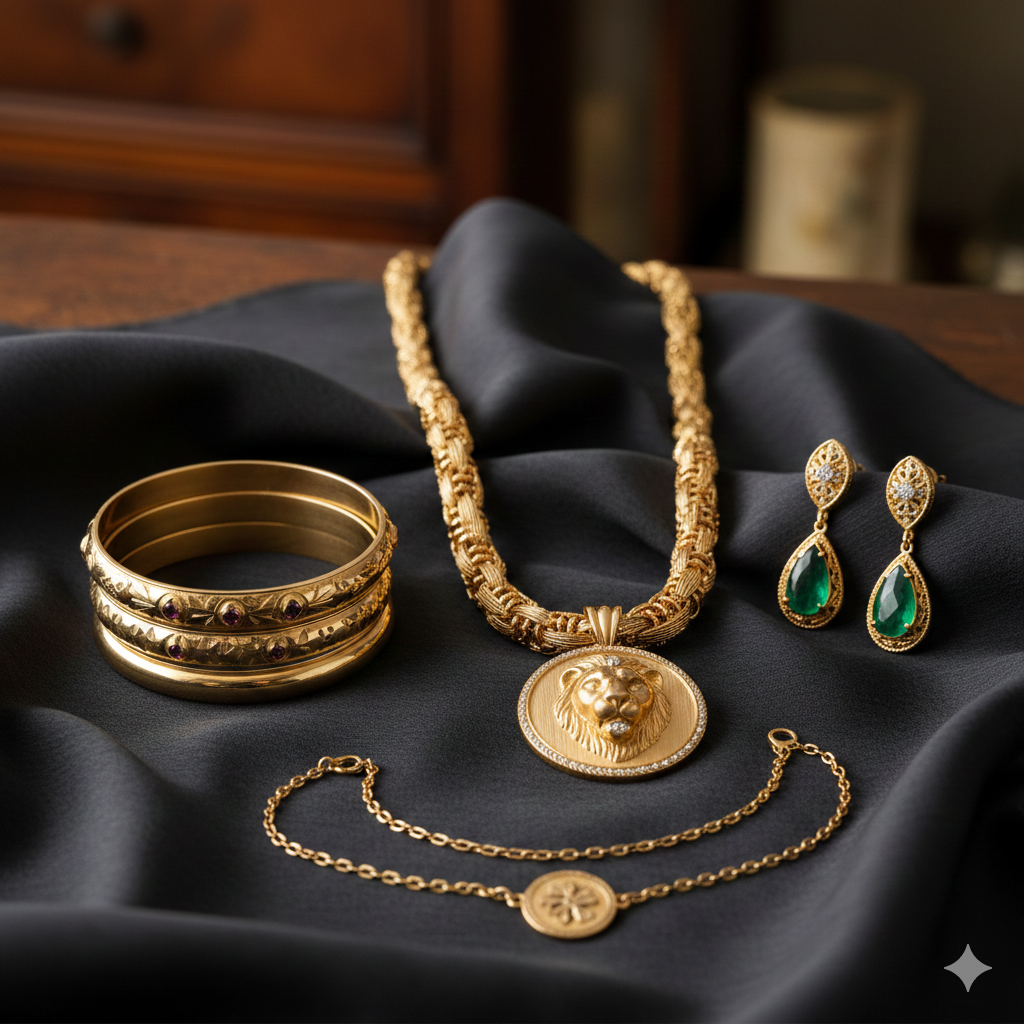
As the sun rises over the bustling city of Delhi, the gold market reflects a subtle yet meaningful uptick. Priced at ₹14,549.62, gold has seen a modest increase of 0.16%, a movement shaped by both international influences and local demand. Delving into the heart of Delhi, where the age-old bazaars like Zaveri Bazaar hum with activity, one can sense the palpable excitement of the impending festive season. Gold is more than a commodity here; it is an emblem of tradition, prosperity, and celebration.
The approach of Diwali ushers in a period of heightened enthusiasm for gold. This festival, deeply ingrained in the cultural fabric of India, sees families investing in gold as a symbol of good fortune. Moreover, the post-monsoon wedding season amplifies this demand. In Delhi, where weddings are grand affairs, gold jewellery becomes an essential part of the celebrations. These cultural moments are not merely societal events but significant economic drivers that bolster the local gold market.
Global Influences: A Complex Web
Beyond the local demand, the global macroeconomic climate exerts its influence on Delhi's gold prices. The recent signals from the Federal Reserve regarding potential pauses in interest rate hikes have provided a gentle lift to gold's allure. As interest rates stabilize, the appeal of holding non-yielding assets like gold increases, drawing in both local and international investors.
The weakening of the USD Index has further bolstered gold's standing, making it a more attractive purchase for those dealing in foreign currencies. This global scenario, coupled with U.S. Treasury yields experiencing slight volatility, enhances gold's profile as a safe-haven asset amidst uncertain times.
Geopolitical Tensions and Their Ripple Effects
Geopolitical tensions in the Middle East and Eastern Europe add another layer of complexity. While Delhi's gold market resonates with these global tremors, it is the local demand that often dictates the day-to-day fluctuations. Gold's role as a hedge against international instability remains intact, providing a psychological comfort to investors wary of geopolitical upheavals.
Silver: A Different Story
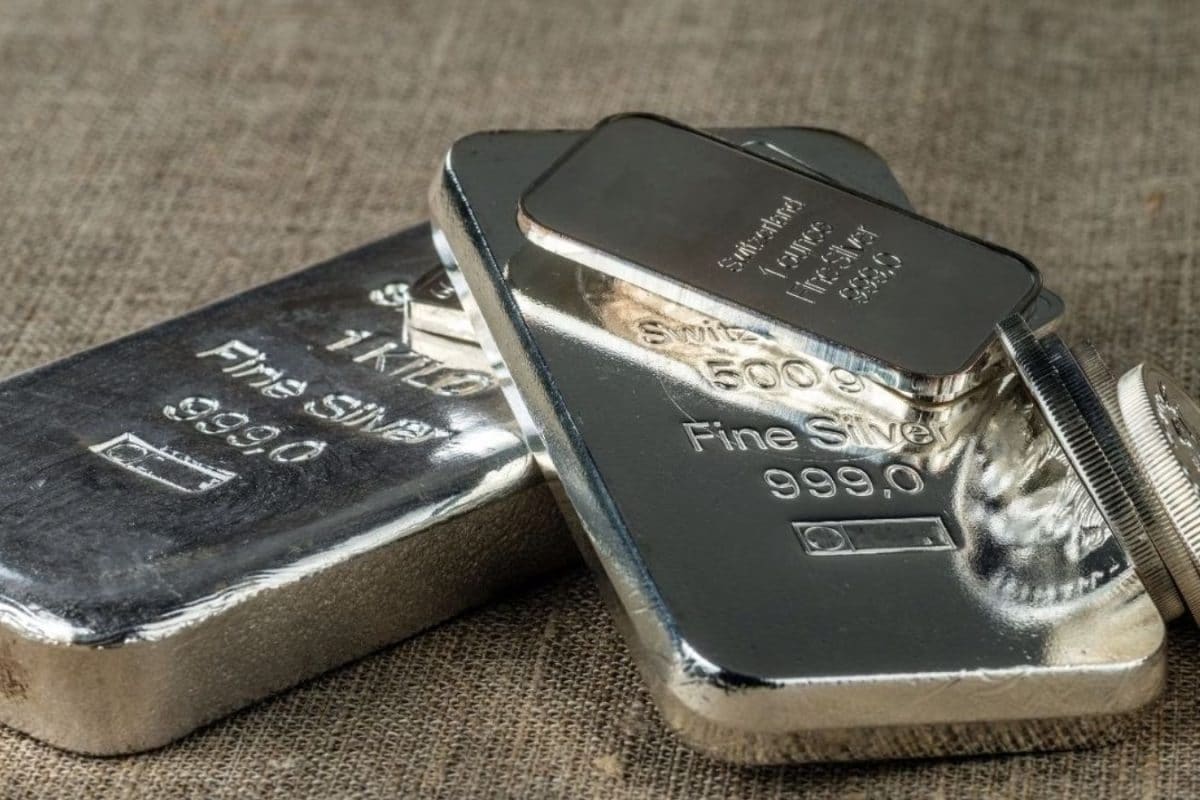
Contrasting the gold market's steady climb, silver has retreated to ₹2,628.16, a decrease of 1.42%. Unlike gold, silver's fortunes are closely tied to industrial demand. The current dip reflects broader market sentiments towards industrial metals, which are often more susceptible to economic uncertainties.
Silver's immediate technical support lies around ₹2,600, a crucial level for traders eyeing potential corrections. Any breach below this support could herald deeper declines, while a rebound could see it testing the ₹2,700 resistance mark.
Regulatory and Technical Considerations
The Indian government's regulatory environment continues to play a pivotal role. Recent adjustments to import duties have incrementally influenced market dynamics, making gold slightly more accessible to the Indian populace. As these changes take effect, they could gradually lower gold prices, further stimulating demand.
On the technical front, gold is navigating critical thresholds, with support established at ₹14,400 and resistance at ₹14,700. These levels are keenly watched by traders who anticipate potential breakouts or pullbacks based on global and local cues.
In conclusion, Delhi's gold and silver markets are a microcosm of a larger narrative, where tradition, economic policies, and global phenomena intertwine. For market participants in Delhi, understanding this interplay is essential for navigating the evolving landscape of precious metals, where gold shines brightly and silver stands poised on the brink of industrial revival.