 ThinkScope
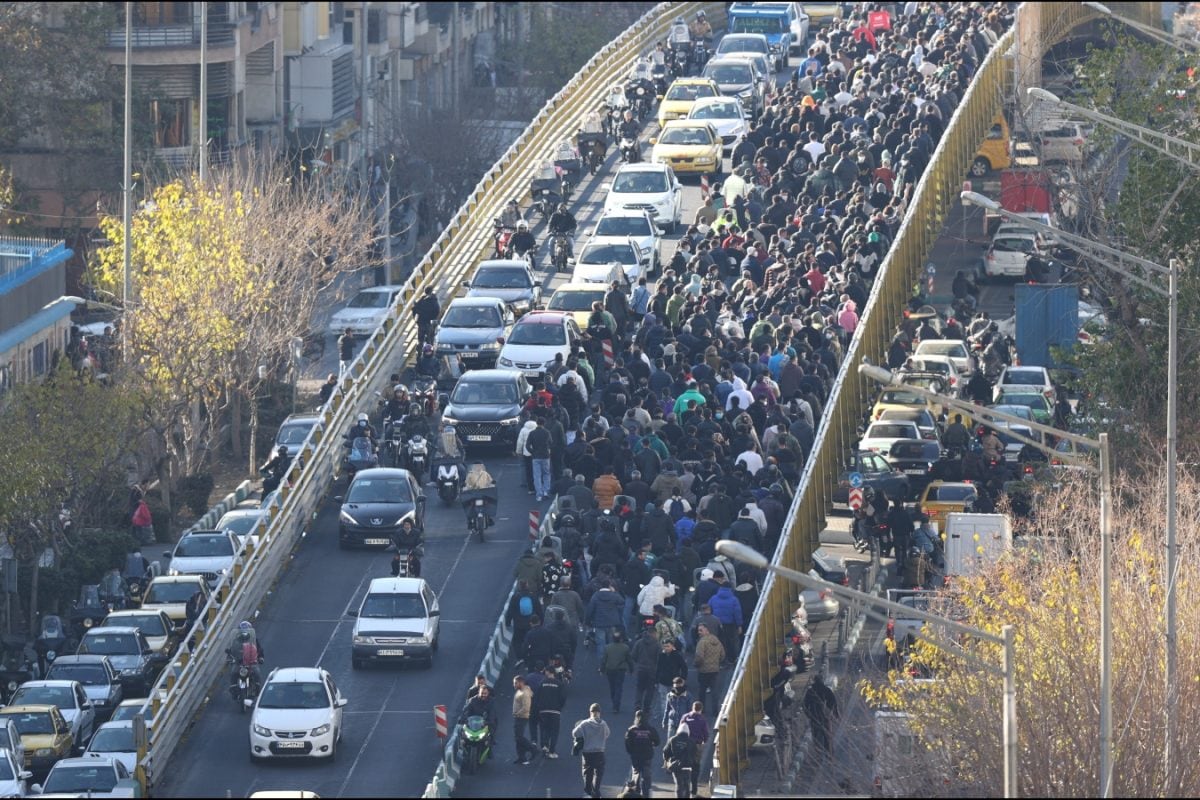
The streets of western and southwestern Iran are once again the backdrop for turmoil, with significant protests turning violent amidst deep economic grievances. Residents across these regions have taken to the streets, expressing mounting frustration over a deteriorating economy that many feel is stifling their livelihoods and future prospects.
These protests, initially sparked by soaring inflation and increasing unemployment rates, have quickly escalated into violent confrontations. The palpable anger among protesters underscores a broader sentiment of dissatisfaction with the government's handling of the economic crisis, which has left many citizens struggling to make ends meet. Tragically, these clashes have resulted in at least seven fatalities, further deepening the wounds of a nation already grappling with uncertainty.
The economic hardships faced by Iranians have been exacerbated by years of sanctions and internal mismanagement, leading to high prices on essential goods and a weaker currency. The situation has reached a tipping point, prompting citizens to demand accountability and swift action from their leaders. As the unrest continues, there's an urgent call for meaningful reforms that address the root causes of the economic woes plaguing the nation.
As these protests unfold, the international community watches closely, concerned about the potential for further instability. For the people of Iran, the hope is that their voices will lead to positive change and a more stable future, but the path forward remains uncertain and fraught with challenge.