 ThinkScope
Opening Hook
As the calendar flips to 2026, thousands of aspirants across India are on the edge of their seats, hearts racing with anticipation. The UPSC Civil Services Exam, known for its stringent selection, is poised to open its doors for applications on January 14, setting the stage for another year of dreams and determination.
Context & Background
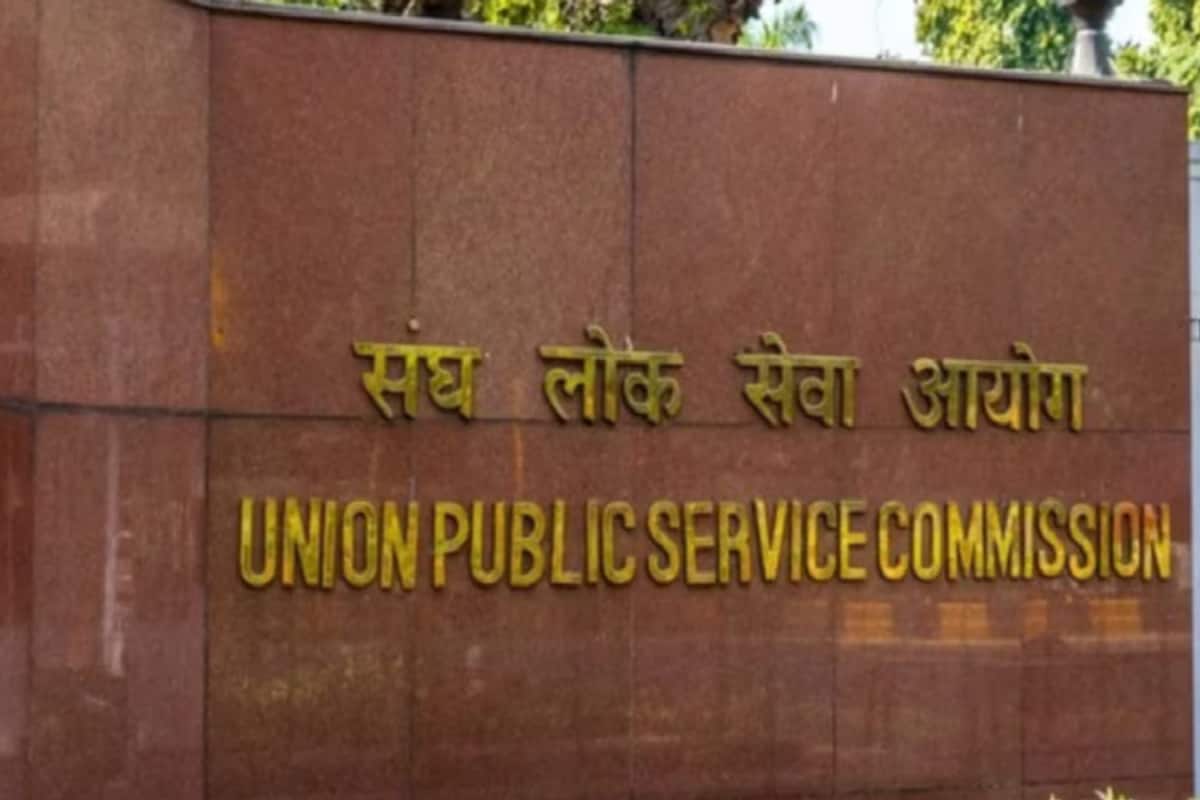
For decades, the Union Public Service Commission (UPSC) has been the golden gatekeeper to some of India's most prestigious public service roles. Every year, this exam transforms the lives of thousands, launching them into careers that shape the nation. With the preliminary exam scheduled for May 24, aspirants are already strategizing and revisiting their study schedules to align with the looming deadlines.
The Civil Services Exam is not just a test of knowledge, but a test of character and resilience. With a selection rate of less than 1%, aspirants must navigate through a rigorous process that includes Prelims, Mains, and Interviews, each demanding unique skill sets.
Main Story/Details
As applications open on January 14, candidates will have until February 4 to submit their details. This phase is critical, with meticulous attention required to ensure all information is accurate. Any lapse can result in disqualification, a prospect that fuels anxiety among aspirants.
This year, the exam is expected to see a record number of applicants, driven by an increased awareness of the role of civil servants in shaping public policy, especially in the post-pandemic world. Educational institutions have reported a surge in enrollments for UPSC preparatory courses, a testament to the growing interest in public service careers.
The preliminary exam on May 24 will be the first hurdle. Historically a filtering process, the Prelims consists of objective-type questions, focusing on general studies and aptitude. Clearing this stage is essential to advance to the Mains, where candidates delve deeper into subjects.
Expert Insights/Analysis
Dr. Nandini Rao, a renowned UPSC mentor with over two decades of experience, advises, "This year, preparation should be holistic, considering the evolving nature of examination patterns. Practical understanding and analytical skills are paramount." Her words resonate with many, especially those who have witnessed the unpredictability of recent exams.
Rao further suggests that aspirants focus on current affairs, a section that has gained prominence in recent years. "Staying updated with national and international events can provide that extra edge," she adds.
Future Implications/What's Next
The implications of succeeding in the UPSC are profound. Not only does it open avenues for personal growth and a stable career, but it also places individuals in pivotal roles that impact millions of lives. The 2026 batch will enter service at a critical juncture, where digitalization and policy reforms are at the forefront of government agendas.
For many, the journey does not end with the final interview. It marks the beginning of a career infused with purpose, where every decision can potentially alter the trajectory of society.
Conclusion
As aspirants gear up for the 2026 UPSC Civil Services Exam, the path ahead is both challenging and rewarding. With dedication, strategic preparation, and a focus on holistic understanding, success is within reach. The upcoming months will be a testament to their resilience and perseverance, shaping the next wave of India's civil servants.