 ThinkScope
Opening Hook
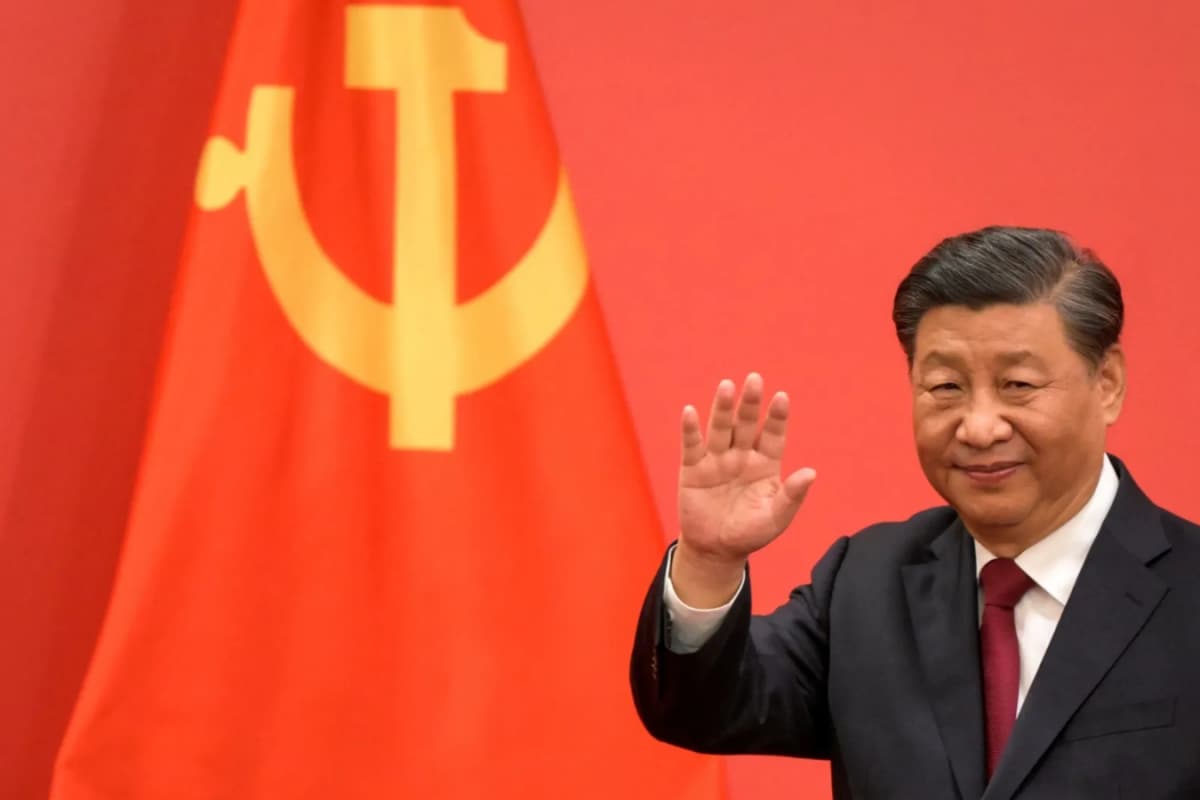
As fireworks lit up the Beijing sky, Xi Jinping’s unwavering voice resonated across the nation, marking not just the dawn of a new year, but a bold proclamation: 'Motherland's reunification is unstoppable.' This declaration, directed at Taiwan, signals a defining moment in an already delicate geopolitical landscape.
Context & Background
China's relationship with Taiwan has long been a complex tapestry woven with history, power, and politics. Officially considered a breakaway province by China, Taiwan sees itself as a sovereign state. The friction between the two has intensified over the years, with China's military maneuvers and Taiwan's strategic partnerships with Western allies. The global community watches closely as tensions in the Taiwan Strait hold potential repercussions far beyond their borders.
Xi Jinping's New Year message comes against a backdrop of escalating military drills near Taiwan, underscoring Beijing’s impatience. The Chinese President, in his third term, is making clear his commitment to national rejuvenation, a cornerstone of his policy that includes Taiwan's reunification.
Main Story/Details
In his address, delivered from the historic Great Hall of the People, Xi emphasized, 'The historical task of the complete reunification of the motherland must be fulfilled.' His voice was steely, his gaze resolute, as he outlined his vision for a unified China, invoking a sense of historical inevitability.
Meanwhile, in Taipei, the mood is one of cautious resolve. Taiwanese President Tsai Ing-wen, in her own New Year speech, reaffirmed Taiwan's commitment to democratic values and warned against coercion. 'Our determination to defend our way of life and sovereignty remains as strong as ever,' she declared, amid applause from her audience.
The tension between these two leaders symbolizes a broader global struggle. With the U.S. and its allies reaffirming support for Taiwan, the island has become a pivotal point in Asia-Pacific geopolitics, drawing in strategic interests from around the world.
For the average Taiwanese citizen, Xi's speech evokes a mixture of anxiety and defiance. In bustling Taipei markets, conversations often shift to concerns about military conscription, economic impacts, and the future of their cherished island autonomy.
Expert Insights/Analysis
Political analysts suggest that Xi’s rhetoric is a calculated move to bolster nationalistic sentiment at home while applying pressure on Taiwan internationally. Dr. Mei Lin, a renowned expert on Sino-Taiwan relations, notes, 'Xi's statement is as much about consolidating power domestically as it is about foreign policy. It's a message to the world about China’s rising influence.'
Furthermore, the timing is crucial. With global attention on economic recoveries post-COVID, Xi’s China seeks to position itself not just as a regional power, but as a central player on the global stage.
Future Implications/What's Next
Looking ahead, the path to potential reunification—or conflict—remains fraught with uncertainties. The international community's response, especially from the U.S. and its allies, will be pivotal. Diplomatic efforts are likely to intensify, though the possibility of miscalculation looms large, with military readiness on both sides.
For Taiwan, the focus will likely be on strengthening alliances, boosting defense capabilities, and fostering economic resilience. The island's leaders face the daunting task of balancing assertiveness with diplomacy in a high-stakes game of chess.
Conclusion
As the world steps into a new year, Xi Jinping’s bold message reiterates that Taiwan’s future is a critical flashpoint with global ramifications. The coming months will require deft diplomacy and strategic foresight from all players involved. Whether this will lead to an era of reunification or further division remains to be seen, but one thing is certain: the world will be watching closely.