 ThinkScope
Opening Hook
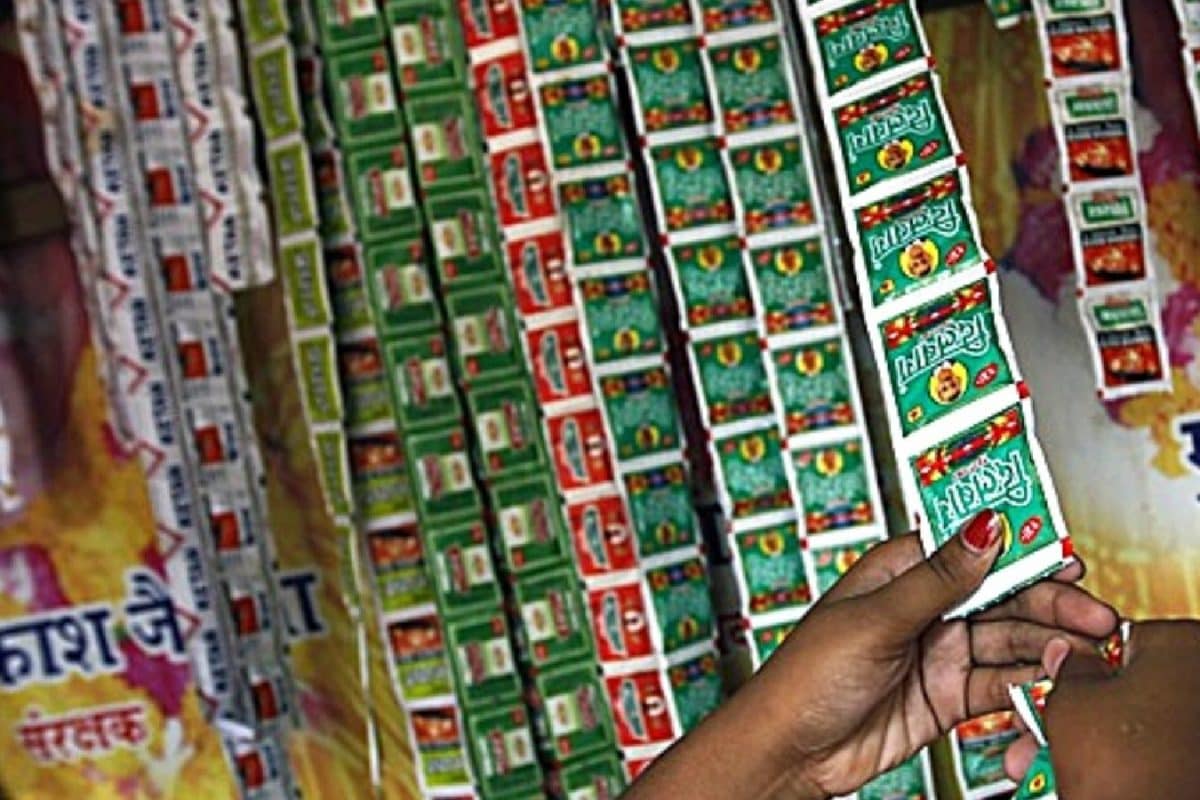
As the clock ticks toward February 1, the tobacco industry braces for a seismic shift. A new excise duty policy is set to roll out, one that ties tax to the very machines that package chewing tobacco, jarda, and gutkha, marking a bold departure from traditional methods.
Context & Background
For decades, the Indian tobacco industry has thrived under a complex web of regulations, often dancing on the edges of tax compliance. Historically, excise duties were calculated based on the weight and volume of the products, leading to numerous compliance loopholes. Now, in a bid to streamline operations and clamp down on tax evasion, the government has introduced a machine-based levy system.
This system, inspired by successful implementations in other industries, such as alcohol and tobacco in different regions, determines duty based on the capacity of packing machines. This innovative approach aims to curb malpractices, ensuring that larger manufacturers pay their fair share.
The Main Story
Imagine a bustling tobacco factory where machines hum tirelessly, spitting out packets of gutkha with mechanical precision. Under the new regime, each machine's capacity will be monitored, and excise duty will be levied accordingly. This shift is not just a fiscal measure but a harbinger of transparency and accountability in an industry often shrouded in opacity.
The policy mandates the installation of Closed-Circuit Television (CCTV) cameras, feeding real-time data to regulatory authorities. These digital eyes promise a level of oversight previously unimaginable, capturing every packet produced and every second of operation.
Ravi Kumar, a seasoned tobacco manufacturer from Gujarat, shares his perspective: "It's a challenge, but a necessary one. This new system forces us to be more efficient and transparent. We can no longer rely on outdated practices."
With stringent compliance rules in place, offenders face hefty fines and operational shutdowns, a move that has already sent ripples through the industry. Smaller players, who often operated under the radar, now find themselves in a spotlight they've long avoided.
Expert Insights & Analysis
Industry experts hail this policy as a potential game-changer. A recent study by the National Institute of Public Finance and Policy suggests that machine-based levy could increase excise collections by up to 25%, funneling crucial revenue into public health initiatives.
"This is a watershed moment," says Dr. Meera Patel, an economist specializing in taxation. "By automating compliance, we reduce human error and corruption, paving the way for a more equitable market."
Future Implications & What's Next
As this policy takes root, the landscape of the tobacco industry is set to evolve dramatically. We may witness consolidation as smaller firms struggle to meet the new compliance costs. However, this may also drive innovation, pushing manufacturers to adopt more efficient production methods.
Looking ahead, the government plans to expand this model to other sectors, potentially revolutionizing how excise duties are calculated across industries. The success of this initiative could serve as a blueprint for regulatory reform, not just in India, but globally.
Conclusion
The dawn of machine-based excise duty marks a pivotal moment for the tobacco industry, marrying technology with regulation in a dance of reform and progress. As February 1 approaches, all eyes are on the factories, where the hum of machines now signifies not just production, but the pulse of a new era.