 ThinkScope
Opening Hook
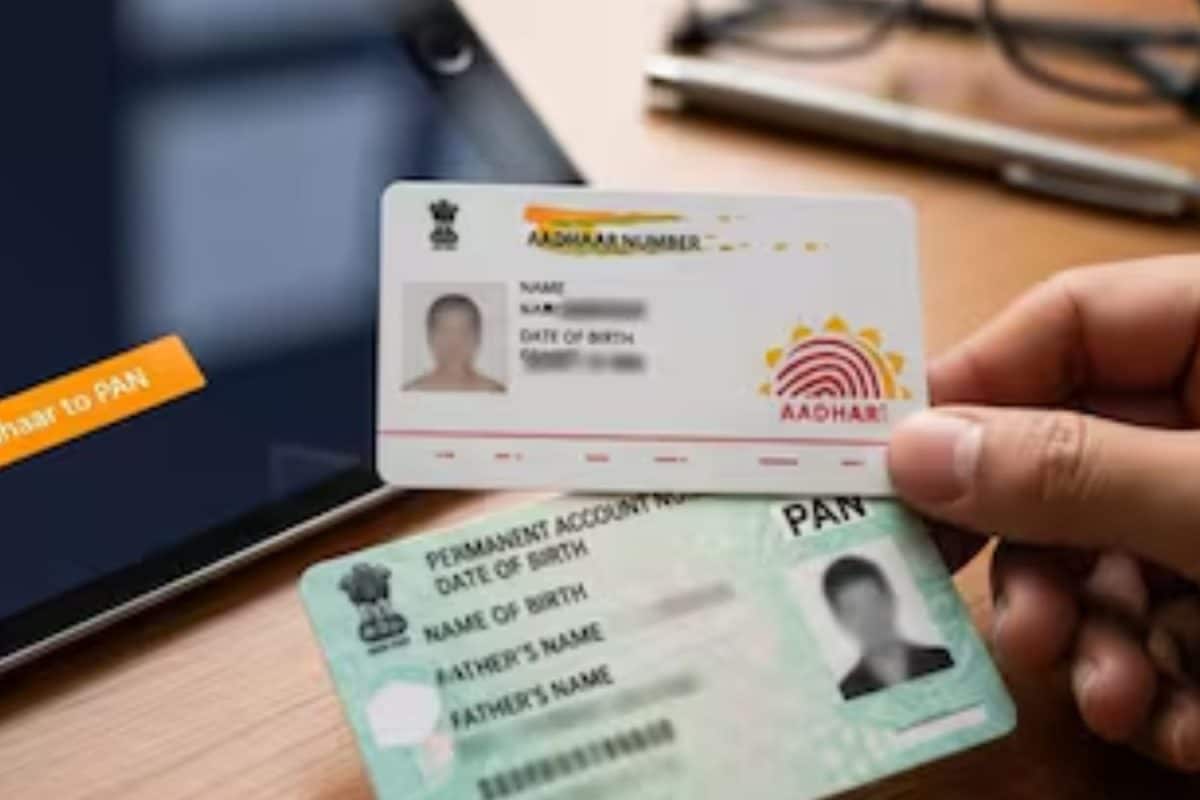
As the clock struck midnight on December 31, many taxpayers found themselves in a state of anxiety, hovering over their computers, trying to complete a task that had been a looming deadline for years: linking their PAN to their Aadhaar. But is all hope lost if you missed the deadline?
Context & Background
The Government of India has long been pushing for the integration of the Permanent Account Number (PAN) and Aadhaar as part of its drive towards tax compliance and streamlined financial management. The mandate to link these two vital documents was initially set to curb tax evasion and ensure that every transaction was transparent and traceable. Over the years, the deadline for this linkage has been extended multiple times, accommodating the millions who struggled with the process or were simply unaware of its importance.
Yet, as the year 2025 drew to a close, the government showed signs of firming its stance. The final date of December 31 was emphasized as the last opportunity, leaving taxpayers in a flurry of last-minute attempts to comply. But questions linger—especially about the consequences of missing the deadline and whether there’s a recourse for those who didn’t complete the linkage.
Main Story/Details
Imagine the scene across India: households gathered with their paperwork, offices buzzing with employees ensuring compliance, and financial advisors fielding phone calls at all hours. This was a collective race against time. Despite the urgency, a significant number of people found themselves unable to complete the linkage, due either to technical difficulties or simple lack of access to the necessary resources.
For those who missed the deadline, the immediate concern is straightforward: What happens now? As of now, if your PAN is not linked to your Aadhaar, it is deemed inactive. This means you cannot use it for any financial transactions, including filing income tax returns or opening bank accounts, effectively putting a pause on your financial activities.
The government has made it clear that the unlinked PAN cards will remain invalid until the linkage is completed. However, this does not mean that taxpayers are permanently locked out. The process to reactivate the PAN by linking it with Aadhaar remains in place, albeit with a late fee that acts as a deterrent to future procrastination.
Expert Insights/Analysis
Financial expert Neha Sharma explains, "The government’s insistence on linking PAN and Aadhaar is not merely procedural but pragmatic. It enables a cleaner, fairer tax system. However, the lack of flexibility post-deadline might be a hurdle for many." She further advises taxpayers to expedite their linkage to avoid any penalties and ensure seamless financial operations.
Furthermore, tax consultant Rajiv Mehra suggests that "this move will eventually lead to better tax compliance and increased transparency, but the transition period needs careful navigation."
Future Implications/What's Next
Looking ahead, taxpayers who have not yet linked their PAN and Aadhaar are urged to do so at the earliest opportunity. The government has yet to announce any further extensions, and there is a push towards making this integration watertight. The penalties for late compliance are a clear indication of the government’s intent to enforce fiscal discipline.
For those who remain unlinked, the future involves expedited efforts to complete the process with a focus on digital literacy and access, ensuring that all citizens can adhere to these mandates without undue burden.
Conclusion
The year 2026 may just bring about a more integrated and transparent financial environment, but the onus remains on the taxpayers to align with these changes swiftly. As we move forward, staying informed and proactive will be key to navigating these new financial landscapes.