 ThinkScope
Opening Hook
In the quiet halls of India's sculpting history, a giant has fallen. Ram Vanji Sutar, the visionary artist who etched his name into the annals of history by crafting the world's tallest statue, has passed away, leaving a legacy as monumental as his creations.
Context & Background
Ram Vanji Sutar was not just a sculptor; he was a maestro whose chisel translated dreams into reality. Born in 1925, in the serene village of Gondur, Maharashtra, Sutar's journey from a small village to the global stage is a testament to his unwavering dedication and unparalleled skill. His crowning achievement, the Statue of Unity, stands tall in Gujarat at an astonishing 182 meters, embodying the indomitable spirit of Sardar Vallabhbhai Patel and the artistic genius of Sutar.
The Statue of Unity, which was unveiled in 2018, quickly became a symbol of unity and strength for India. It not only highlights Sutar's artistic prowess but also serves as a reminder of the values that Patel embodied. The statue attracts millions of visitors from around the world, each marvelling at its grandeur and the meticulous detail that Sutar infused into his work.
Main Story/Details
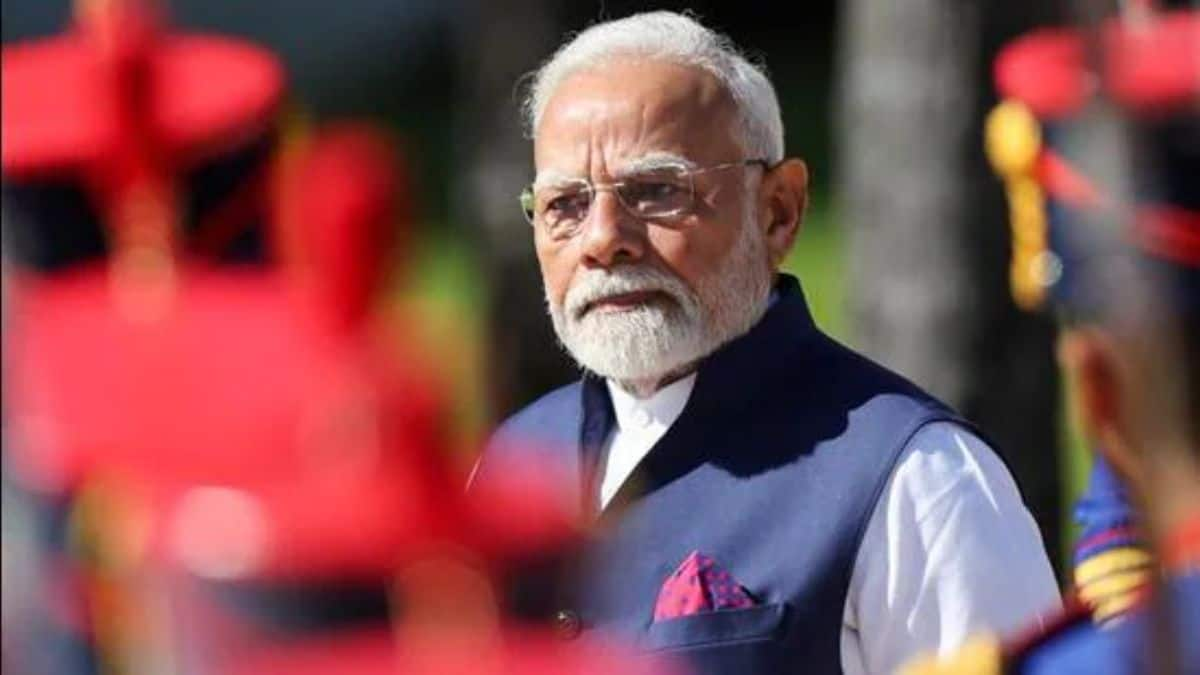
Prime Minister Narendra Modi, who inaugurated the statue, expressed his grief over Sutar's demise, describing him as a "national treasure." Modi's sentiments echo the thoughts of many who have been touched by Sutar's work. "His art was not just about form but about conveying deep emotions and stories," Modi remarked during a tribute held in New Delhi.
Sutar's career spanned over 60 years, during which he crafted over 50 monumental sculptures. His works include statues of Mahatma Gandhi, displayed globally, each bearing his signature attention to detail and emotional depth. "Through his sculptures, Sutar captured the essence of India's spirit," shared art historian Dr. Meera Shah. "His works go beyond aesthetics; they have a soul that speaks to the onlooker."
But what set Sutar apart was his ability to balance traditional artistry with innovative techniques. He employed modern materials and technologies, ensuring that his creations would stand the test of time. The Statue of Unity, for example, is built using over 70,000 tonnes of cement and concrete, supported by steel frameworks, to withstand the forces of nature.
Expert Insights/Analysis
The impact of Sutar's work extends beyond the realm of art. Economists note that the Statue of Unity has significantly boosted tourism in Gujarat, contributing to the local economy. "His work is not just about artistic contribution; it's an economic asset," explained economic analyst Rajiv Patel.
Sutar's approach to sculpture, blending art with science, has set a new benchmark for future artists. "His legacy is a blueprint for aspiring sculptors," observed Ritu Malhotra, a contemporary sculptor and close associate of Sutar. "He showed us how to dream big and execute those dreams with precision."
Future Implications/What's Next
As the world bids farewell to Ram Vanji Sutar, his legacy will continue to inspire future generations. Art academies and cultural institutions are already planning exhibitions and seminars to celebrate his contributions. The Sardar Patel Society, responsible for the maintenance of the Statue of Unity, has announced plans for a series of events to honor his memory, ensuring that his vision continues to be a source of inspiration.
In the world of public art, Sutar's work has set a new standard, inspiring discussions on the role of monumental sculptures in contemporary society. As urban landscapes evolve, his creations remind us of the power of art to shape narratives and influence culture.
Conclusion
Ram Vanji Sutar may have departed, but his art remains an eternal conversation between the past and the future. As visitors continue to stand in awe of the Statue of Unity, they will hear the silent whispers of a master sculptor who dared to dream and brought those dreams to life with every chisel stroke.